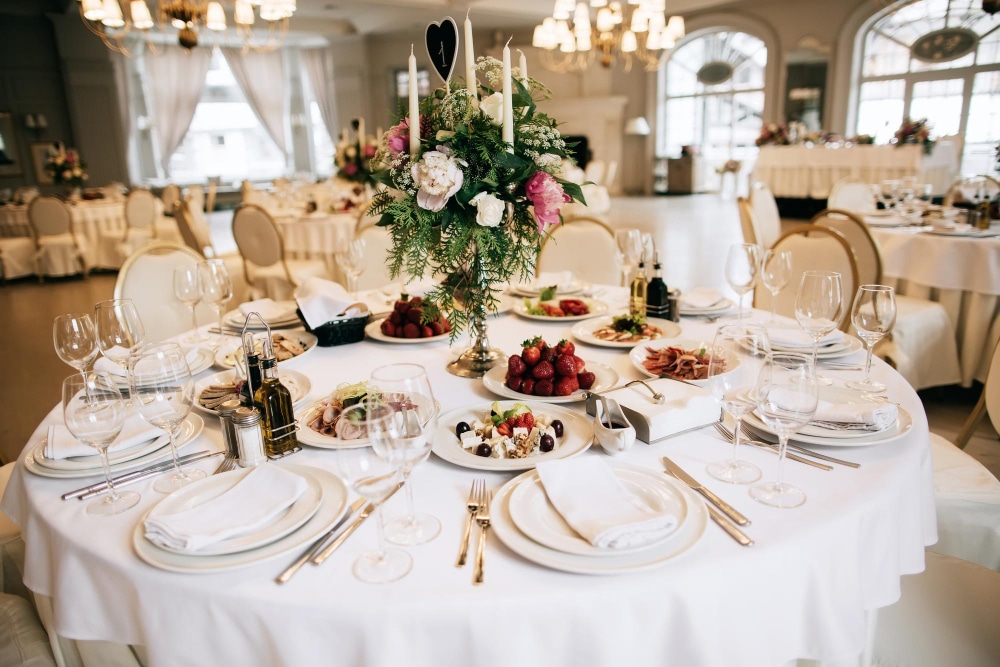
Planning wedding catering is not a single decision. It is a structured process that begins months before the big day and continues right through to the final clear-down once guests have gone home. Understanding the full timeline helps couples feel confident, organised, and in control rather than rushed or reactive. When each stage is approached at the right time, catering becomes a seamless part of the celebration rather than a source of stress.
This guide walks you through the complete wedding catering timeline from booking to breakdown. By knowing what to expect at each stage, you can make informed decisions, avoid common pitfalls, and ensure your wedding food and drink experience flows effortlessly from first enquiry to final plate cleared.
Setting Your Budget and Defining Catering Priorities
Before contacting any caterer, it is important to understand how catering fits within your overall wedding budget. Food and drink often represent one of the largest portions of wedding spending, so clarity at the outset prevents disappointment later. Beyond numbers, you should also identify what matters most to you, whether that is premium ingredients, an extensive drinks package, or late-night snacks. Establishing priorities early ensures every conversation is productive.
- Allocate a realistic percentage of your overall budget to catering
- Decide whether food quality or service style is your main focus
- Factor in drinks, staffing, equipment hire, and VAT
- Leave a contingency buffer for unexpected additions
Researching and Shortlisting the Right Wedding Caterer
Once your budget framework is clear, begin researching caterers whose style aligns with your vision. Look beyond photographs and focus on experience, reviews, and professionalism. A strong shortlist should reflect caterers who match your venue type, guest count, and desired service format. Careful research saves time and avoids unsuitable enquiries.
- Review catering portfolios for style consistency
- Check experience with your venue type
- Read detailed testimonials and feedback
- Compare service inclusions, not just headline pricing
Initial Consultations: Questions to Ask Before You Commit
The first consultation is your opportunity to assess professionalism, communication style, and compatibility. Catering is not just about food, but about collaboration and trust. Use this meeting to clarify expectations, logistics, and working style. A thorough consultation builds confidence before contracts are signed.
- Ask about staffing ratios and service structure
- Clarify what is included in the quoted price
- Discuss experience with similar weddings
- Confirm how dietary requirements are handled
Securing Your Date and Confirming the Booking
Once you have chosen your caterer, securing the date promptly is essential. Popular wedding dates book quickly, particularly during peak season. Signing contracts formalises expectations and protects both parties. This stage transforms your enquiry into a confirmed partnership.
- Review contract terms carefully
- Confirm deposit amounts and payment schedule
- Ensure cancellation policies are clear
- Obtain written confirmation of the event date
Venue Logistics and Early Planning Meetings
With your caterer secured, attention turns to venue logistics. Site visits and early planning meetings allow both parties to assess access, kitchen facilities, and layout. Addressing these details early prevents last-minute complications and ensures realistic planning.
- Confirm access times for setup and breakdown
- Identify power and water availability
- Discuss layout for dining and bar areas
- Review any venue-specific restrictions
Menu Design and Seasonal Considerations
Menu design typically begins several months before the wedding. This is where your personal preferences meet practical considerations such as seasonality and guest demographics. A well-balanced menu feels celebratory without overwhelming guests. Collaboration ensures your vision translates smoothly into dishes.
- Choose seasonal ingredients for freshness
- Balance lighter and richer courses
- Consider cross-generational appeal
- Align menu style with overall wedding theme
Tastings and Refining Your Final Menu Choices
A tasting allows you to experience dishes firsthand and refine selections. This stage is about adjustment rather than overhaul. Small tweaks to seasoning, presentation, or portion size ensure confidence in your final menu.
- Evaluate flavour balance carefully
- Discuss presentation adjustments if needed
- Confirm portion sizes feel appropriate
- Finalise choices within agreed timeline
Confirming Guest Numbers and Dietary Requirements
As RSVP responses arrive, your caterer will require updated guest numbers. Final headcounts typically need confirmation several weeks before the wedding. Accurate figures influence staffing, ingredient ordering, and service timing.
- Track RSVPs carefully
- Communicate changes promptly
- Confirm allergen and dietary needs clearly
- Avoid last-minute major adjustments
Coordinating Drinks Packages and Bar Planning
Drinks planning should align with the structure of your day. From welcome drinks to table wine and evening bar service, timing matters. Clear planning ensures smooth flow and avoids unnecessary overordering.
- Decide on signature drinks or curated selections
- Confirm wine quantities based on guest count
- Plan bar layout to avoid congestion
- Include quality non-alcoholic options
Final Timeline Planning With All Suppliers
As the wedding approaches, detailed timeline planning becomes essential. Catering must align with photographers, DJs, planners, and venue staff. A cohesive schedule prevents overlaps and protects key moments.
- Share a detailed run sheet with your caterer
- Coordinate timing of speeches and courses
- Allow buffer time between transitions
- Confirm communication channels for the day
The Month Before: Final Details and Confirmations
The final month focuses on tightening details rather than making major changes. Contracts, payments, and logistics should be reconfirmed to prevent misunderstandings. This stage is about reassurance and preparation.
- Confirm final menu selections in writing
- Review payment deadlines
- Recheck access arrangements
- Clarify setup and clear-down timings
The Week Of the Wedding: Last-Minute Checks
In the final week, communication becomes concise and focused. Major decisions should already be complete. This stage ensures everyone is aligned and prepared.
- Confirm final guest count
- Provide seating plan updates if needed
- Reconfirm arrival times
- Ensure emergency contact details are shared
Wedding Day Setup and Pre-Service Preparation
On the wedding day itself, catering teams will arrive well before guests. Setup includes kitchen preparation, table layout, and equipment installation. Smooth setup relies on clear access and realistic timing.
- Ensure venue access is available on time
- Confirm power and facilities are ready
- Allow adequate space for preparation
- Keep communication open with the planner
Service Flow During the Wedding Breakfast
The wedding breakfast is the centrepiece of catering service. Timing, pacing, and coordination are critical. Professional service ensures courses arrive smoothly and guests remain comfortable.
- Maintain steady pacing between courses
- Coordinate service with speeches
- Keep staff movement discreet
- Monitor guest comfort throughout
Evening Food and Late-Night Catering Plans
If your celebration continues into the evening, additional catering may be required. Late-night snacks can revitalise guests and extend the atmosphere naturally. Planning prevents congestion or oversupply.
- Schedule evening food strategically
- Keep portions manageable
- Align with bar service timing
- Avoid overlapping with peak dance moments
Post-Event Breakdown and Clear-Down Logistics
Once guests depart, catering teams begin the breakdown process. Efficient clear-down ensures the venue is left in good condition and equipment is removed safely. This stage is often overlooked but requires careful coordination.
- Confirm agreed breakdown timeframe
- Ensure waste removal is organised
- Check venue compliance requirements
- Conduct a final walkthrough if needed
Final Payments, Feedback, and Follow-Up
After the wedding, final administrative steps bring the catering timeline to a close. Clear communication ensures any outstanding balances or feedback are handled smoothly. Reflecting on the experience also helps future couples make informed decisions.
- Settle any remaining balances promptly
- Provide constructive feedback
- Request copies of invoices for records
- Maintain contact for future recommendations
Conclusion
The complete wedding catering timeline from booking to breakdown spans months of thoughtful planning and coordinated effort. Each stage builds upon the previous one, ensuring that by the time guests sit down to dine, every detail has been carefully considered. From setting your budget and securing your caterer to finalising menus and overseeing breakdown, structure and communication are essential.
When couples understand this timeline, they approach catering decisions with clarity rather than pressure. By following each step methodically and collaborating closely with experienced professionals, wedding catering becomes a seamless and joyful part of the day rather than a source of uncertainty. The result is a celebration that flows naturally from first enquiry to final farewell, with food and drink enhancing every moment along the way.