No matter how impressive the venue, entertainment, or décor may be, long queues and slow food service can quickly affect guests’ enjoyment of an event. Whether hosting a wedding, corporate function, charity gala, sporting lunch, festival, birthday celebration, or community event, efficient catering is essential to maintaining a positive atmosphere and ensuring the day runs smoothly.
Food service bottlenecks occur when too many guests require food at the same time, overwhelming serving stations or slowing kitchen operations. The result can be long waiting times, frustrated guests, cold food, and unnecessary pressure on catering staff. Fortunately, these issues are rarely unavoidable. With careful planning, the right catering style, and experienced event professionals, food service can remain fast, organised, and enjoyable, even for large guest numbers.
Preventing bottlenecks is about understanding guest behaviour, designing an efficient service flow, and ensuring every element of the catering operation works together. When planned correctly, guests spend less time waiting and more time enjoying the event.
Plan Guest Numbers Accurately
An accurate guest count forms the foundation of efficient catering. Underestimating attendance can quickly lead to delays and overcrowding during service.
Preparation begins with reliable numbers.
- Confirm attendance well in advance
- Update caterers regularly
- Allow for late confirmations
- Match staffing to guest numbers
Choose the Right Catering Style
Different catering styles suit different events. Selecting the most appropriate service method helps maintain a steady flow of guests.
The format influences efficiency.
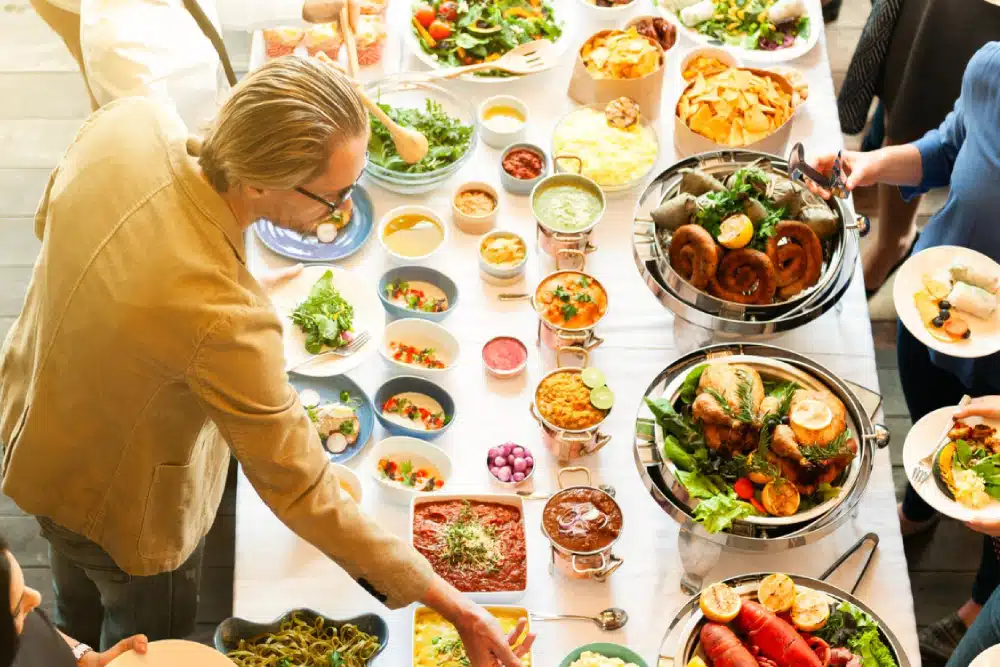
- Buffets reduce table service delays
- Food stations spread guest demand
- Sharing platters simplify serving
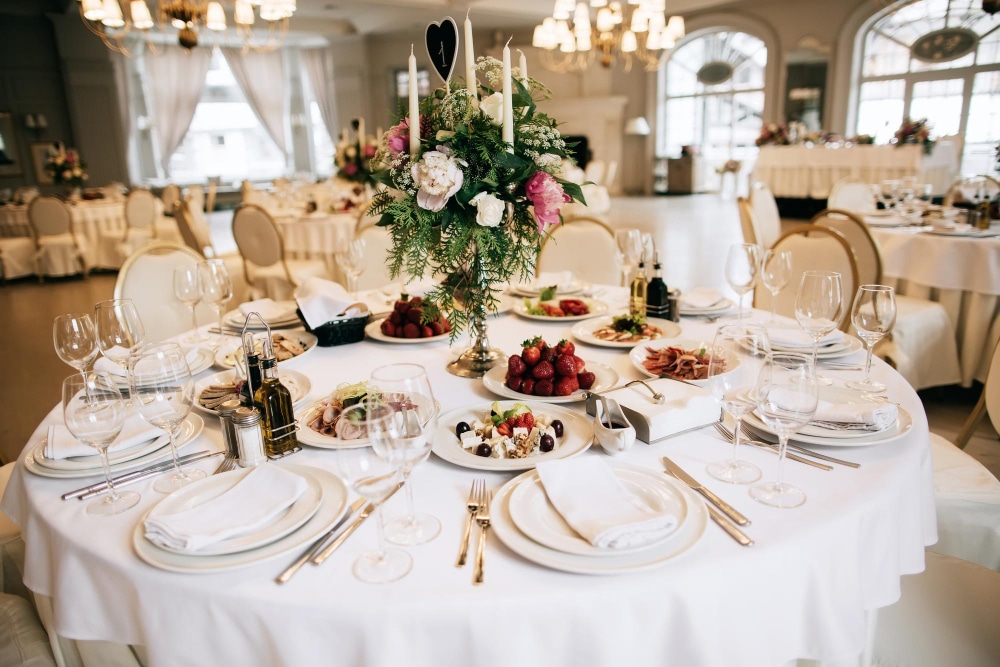
- Table service suits structured events
Spread Guests Across Multiple Service Points
Large crowds should never rely on a single serving location where possible. Multiple stations naturally reduce queues.
Distribute demand effectively.
- Create separate serving areas
- Repeat popular menu items
- Position stations strategically
- Improve guest movement
Design an Efficient Guest Flow
Guests should move naturally through the catering area without congestion or confusion. Layout planning is just as important as menu planning.
Simple layouts improve service.
- Avoid narrow walkways
- Create clear entry and exit points
- Prevent crossing queues
- Allow space around stations
Keep Menus Practical
Complicated dishes often slow service, particularly when prepared or assembled individually during busy periods.
Simple menus improve speed.
- Limit overly complex dishes
- Choose efficient serving options
- Focus on consistent quality
- Maintain excellent presentation
Prepare as Much as Possible in Advance
Successful catering relies heavily on preparation before guests arrive. Efficient kitchens minimise tasks during peak service periods.
Preparation reduces delays.
- Portion food beforehand
- Organise serving equipment
- Prepare garnishes early
- Check all supplies
Ensure Adequate Staffing
Even the best catering plan requires enough experienced staff to deliver efficient service throughout the event.
People drive performance.
- Match staffing to event size
- Allocate clear responsibilities
- Train serving teams
- Maintain communication
Offer Multiple Menu Choices Without Creating Delays
Guests appreciate variety, but too many options can slow service considerably if not planned carefully.
Balance choice with efficiency.
- Limit unnecessary complexity
- Group similar dishes
- Streamline preparation
- Maintain consistent quality
Consider Staggered Service
Not every guest needs to collect food simultaneously. Structured service timings can significantly reduce congestion.
Timing improves flow.
- Release tables gradually
- Announce serving groups
- Coordinate with event schedule
- Reduce queue lengths
Use Dedicated Drinks Stations
Separating drinks from food collection helps prevent unnecessary crowding around serving areas.
Refreshments deserve their own space.
- Independent beverage stations
- Self-service where appropriate
- Multiple refill points
- Faster guest movement
Clearly Label Food Stations
Guests should immediately understand where to go and what each station offers without needing to ask questions.
Good signage improves efficiency.
- Display clear menus
- Highlight dietary information
- Direct guest movement
- Reduce confusion
Cater for Dietary Requirements Efficiently
Special dietary meals should be planned carefully so they can be served quickly without disrupting the overall service.
Preparation prevents delays.
- Identify requirements early
- Prepare meals separately
- Train serving staff
- Clearly label dishes
Position Popular Items Carefully
Certain foods naturally attract larger queues. Their placement can have a significant impact on crowd movement.
Think about guest behaviour.
- Duplicate popular dishes
- Separate high-demand items
- Reduce congestion
- Balance guest distribution
Avoid Service Dead Time
Guests quickly notice unnecessary pauses in service. Continuous replenishment keeps food available and queues moving.
Consistency maintains momentum.
- Monitor food levels
- Refill promptly
- Prepare replacement trays
- Maintain presentation
Coordinate Catering With the Event Schedule
Food service should fit naturally within speeches, entertainment, presentations, or other planned activities.
Timing supports the experience.
- Avoid conflicting schedules
- Coordinate with organisers
- Allow realistic service windows
- Keep guests engaged
Train Staff to Solve Problems Quickly
Minor issues become major bottlenecks if they are not addressed immediately by confident, experienced staff.
Quick decisions matter.
- Empower team leaders
- Maintain communication
- Resolve issues proactively
- Adapt when necessary
Consider Interactive Food Stations Carefully
Live cooking and interactive catering can be entertaining, but they should never slow service unnecessarily.
Entertainment should remain efficient.
- Limit preparation times
- Provide multiple chefs if needed
- Keep queues moving
- Balance theatre with speed
Monitor Guest Flow Throughout the Event
Service plans should remain flexible. Observing guest behaviour allows adjustments to be made as the event progresses.
Stay responsive.
- Watch queue lengths
- Reposition staff if needed
- Open additional stations
- Maintain smooth movement
Work With Experienced Professional Caterers
Professional caterers understand how to manage busy events efficiently while maintaining food quality and excellent customer service.
Experience prevents problems.
- Proven event systems
- Reliable staffing
- Efficient preparation
- Consistent guest experience
Conclusion
Preventing food service bottlenecks is about much more than serving meals quickly. It requires careful planning, thoughtful event design, experienced staffing, and efficient catering systems that work together to keep guests moving comfortably throughout the event. By choosing the right service style, preparing thoroughly, and anticipating guest behaviour, organisers can avoid unnecessary delays while maintaining high standards of food quality and hospitality.
Successful events are remembered for the enjoyment they create, not the time guests spend waiting in queues. With professional catering, practical menus, and well-organised service, even the busiest occasions can deliver a seamless dining experience that keeps guests happy, relaxed, and focused on celebrating the event rather than waiting for their meal.