Every year brings new food trends. From globally inspired street food and fusion cuisine to innovative cooking techniques and social media-driven dishes, event catering is constantly evolving. These trends can add excitement and originality to a menu, and when used appropriately, they can help create memorable experiences for guests.
However, while fashionable dishes often generate attention, they do not always deliver the highest levels of guest satisfaction. In many cases, familiar, well-prepared food consistently outperforms trend-led menus. Guests are generally more interested in enjoying delicious, high-quality meals than trying unusual ingredients or unfamiliar combinations that may not suit every palate.
Whether planning a wedding, corporate event, charity fundraiser, sporting lunch, birthday celebration, gala dinner, or private party, organisers should remember that catering is ultimately about hospitality. The most successful menus are those that make guests feel comfortable, satisfied, and well looked after. Familiar favourites, executed exceptionally well, often achieve this better than chasing the latest culinary fashions.
Guests Attend Events for the Experience
Food is an important part of any event, but it is rarely the sole reason guests attend. They are there to celebrate, socialise, network, or support a cause.
The meal should enhance the occasion.
- Catering supports the overall experience
- Guests value comfort and enjoyment
- Food should complement the event
- Hospitality remains the priority
Familiarity Creates Confidence
When guests recognise menu items, they often feel more relaxed about their dining choices. Familiar food removes uncertainty and encourages enjoyment.
Confidence improves satisfaction.
- Guests know what to expect
- Dining feels more comfortable
- Fewer people hesitate over choices
- Meals are enjoyed with confidence
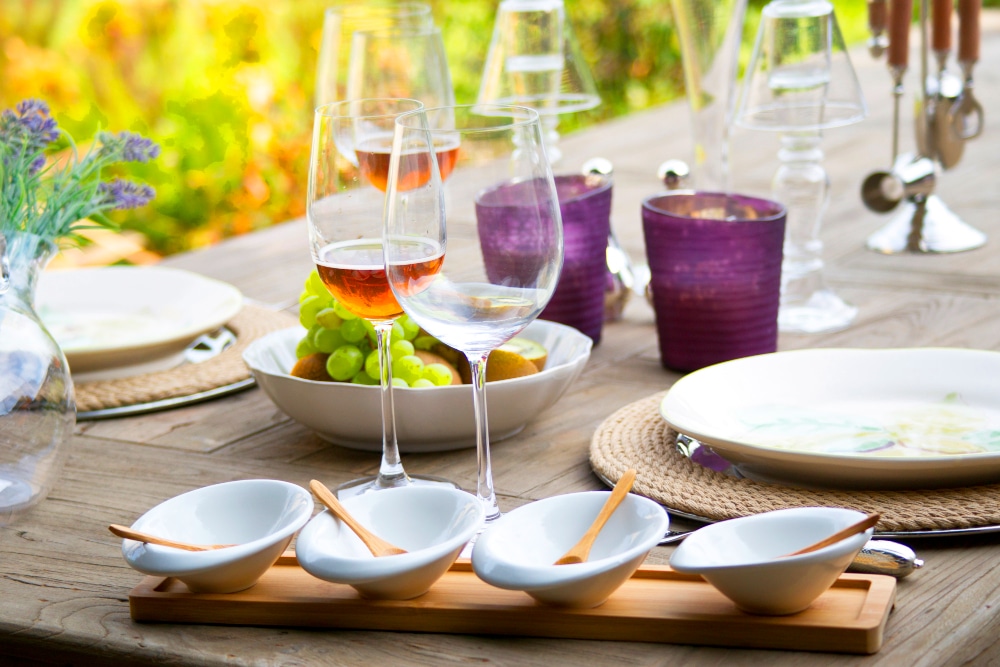
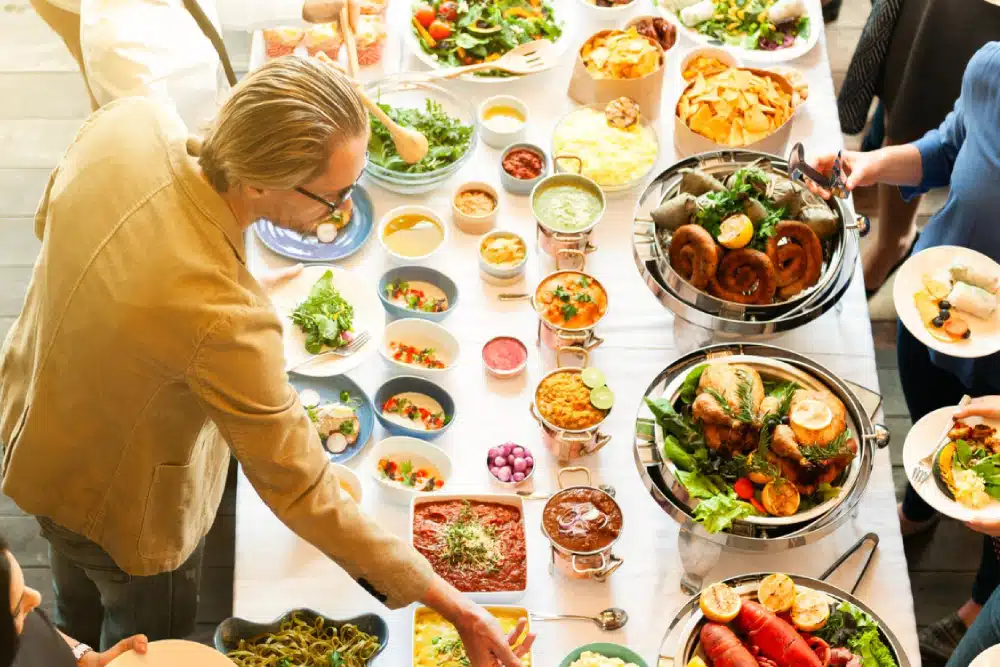
Broad Appeal Matters at Large Events
Large gatherings usually include guests of different ages, backgrounds, and tastes. Menus with broad appeal naturally satisfy more people.
Inclusive choices work well.
- Multiple generations are accommodated
- Diverse preferences are considered
- Guest satisfaction increases
- Fewer menu disappointments occur
Quality Always Matters More Than Novelty
An exceptionally prepared classic dish will almost always outperform a fashionable meal that lacks balance or consistency.
Execution is everything.
- Fresh ingredients make a difference
- Flavour remains the priority
- Consistency builds confidence
- Guests appreciate quality
Comfort Food Creates Positive Emotions
Many familiar dishes evoke memories of family gatherings, celebrations, and comforting experiences. These emotional connections influence how guests remember an event.
Food creates lasting impressions.
- Familiar flavours feel welcoming
- Comfort encourages relaxation
- Positive emotions are reinforced
- Dining becomes more memorable
Trendy Dishes Can Divide Opinion
While some guests enjoy trying new flavours, others prefer meals they know they will enjoy. Highly fashionable dishes often appeal to smaller audiences.
Not every trend suits every event.
- Preferences vary widely
- Unfamiliar ingredients create hesitation
- Strong flavours divide opinions
- Guest enjoyment may decrease
Events Are Not Always the Place for Experimentation
Guests generally expect reliability at important occasions. Weddings, corporate functions, and formal celebrations often benefit from dependable menu choices.
Reliability builds trust.
- Guests feel reassured
- Meals meet expectations
- Catering supports the occasion
- Hospitality remains consistent
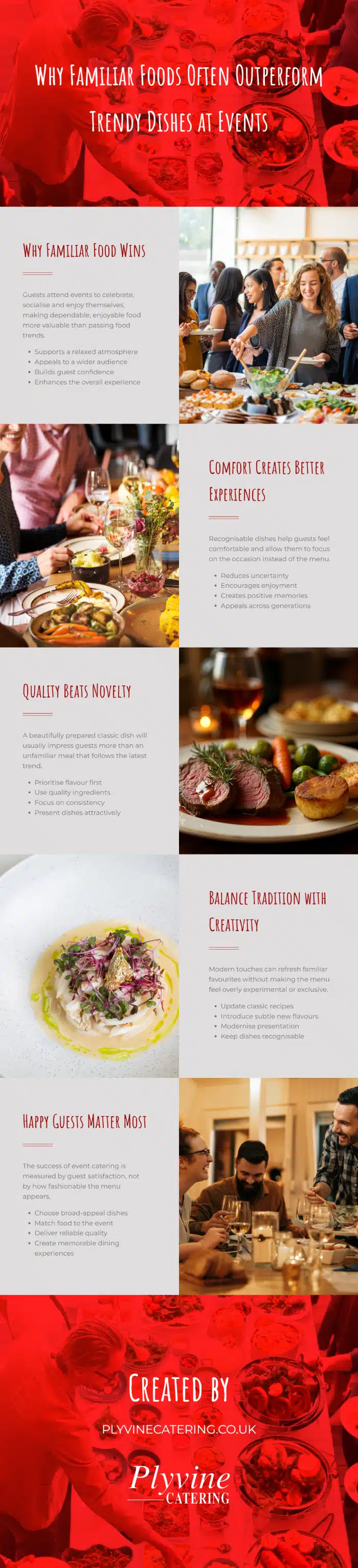
Familiar Dishes Can Still Feel Premium
Choosing recognisable food does not mean sacrificing elegance. Traditional favourites can be elevated through quality ingredients and thoughtful presentation.
Simple food can feel luxurious.
- Use premium ingredients
- Focus on attractive presentation
- Enhance classic recipes
- Prioritise flavour and freshness
Balance Tradition With Creativity
There is no need to avoid innovation entirely. The most successful menus often introduce modern touches while keeping the overall dining experience familiar.
Subtle creativity works well.
- Add contemporary flavour combinations
- Refresh classic recipes
- Modernise presentation styles
- Maintain recognisable foundations
Guests Remember Great Flavour
Long after an event has finished, guests are more likely to remember how enjoyable the food tasted than whether it followed the latest culinary trend.
Taste drives memories.
- Flavour creates lasting impressions
- Satisfaction influences recommendations
- Guests discuss enjoyable meals
- Quality stands the test of time
Familiar Menus Support Smooth Service
Well-established dishes are often easier for catering teams to prepare consistently at scale, particularly for larger events.
Operational benefits matter.
- Improve consistency
- Reduce service complications
- Maintain food quality
- Deliver reliable experiences
Comfort Encourages Social Interaction
Guests who enjoy their meal and feel comfortable are more likely to relax, socialise, and engage with others throughout the event.
Food supports conversation.
- Guests remain seated comfortably
- Dining encourages interaction
- The atmosphere becomes more relaxed
- Hospitality strengthens relationships
Different Generations Have Different Expectations
Events frequently bring together guests of varying ages. Familiar dishes often bridge generational preferences more effectively than niche food trends.
Inclusivity creates success.
- Appeal to wider audiences
- Respect traditional tastes
- Introduce gentle modern influences
- Create shared enjoyment
Menus Should Reflect the Event
The style of catering should support the purpose of the occasion rather than simply following current food fashions.
Context is important.
- Match menus to the event style
- Consider guest expectations
- Support the overall atmosphere
- Create consistency throughout
Presentation Can Modernise Traditional Food
Classic dishes presented with care can feel contemporary without becoming unfamiliar.
Visual appeal enhances perception.
- Elegant plating adds sophistication
- Modern serving styles refresh classics
- Presentation reinforces quality
- Guests appreciate attention to detail
Caterers Understand What Works
Experienced caterers know which dishes consistently satisfy guests across a wide range of events. Their recommendations are often based on years of practical experience.
Experience has value.
- Proven menus reduce risk
- Popular dishes remain reliable
- Guest feedback shapes recommendations
- Expertise improves outcomes
Trends Should Support, Not Dominate
Food trends can add interest when used thoughtfully, but they should complement the menu rather than define it entirely.
Moderation creates balance.
- Introduce trends selectively
- Avoid overwhelming guests
- Focus on broad appeal
- Maintain menu cohesion
Guest Satisfaction Is the Ultimate Measure
The success of any event menu should be judged by how well guests enjoy the food rather than how fashionable it appears.
Hospitality remains the goal.
- Happy guests create positive memories
- Enjoyment matters most
- Food supports the overall experience
- Satisfaction builds lasting impressions
Focus on Timeless Hospitality
Exceptional hospitality never goes out of style. Familiar food prepared with skill, care, and attention to detail continues to outperform passing culinary fashions.
Timeless principles endure.
- Prioritise guest comfort
- Focus on consistent quality
- Celebrate classic favourites
- Deliver memorable experiences
Conclusion
While food trends will continue to evolve, the foundations of successful event catering remain remarkably consistent. Guests want food that tastes excellent, feels welcoming, and supports the overall experience rather than distracting from it. Familiar dishes often outperform trendy alternatives because they create confidence, comfort, and broad appeal while allowing guests to focus on enjoying the occasion.
This does not mean innovation has no place in modern catering. The most successful menus often blend classic favourites with subtle contemporary influences, creating meals that feel fresh without becoming unfamiliar. By prioritising quality, flavour, and hospitality over novelty alone, organisers can create events where the food becomes a genuine highlight and leaves guests with lasting positive memories.