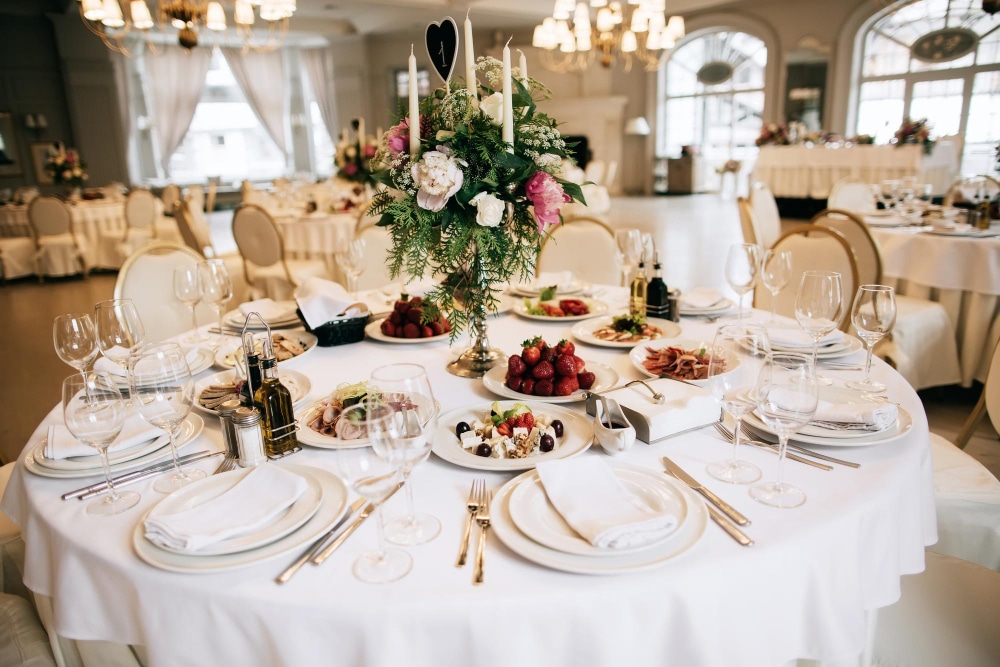
Food plays a central role in most weddings. It brings people together, creates shared experiences, and often becomes one of the most memorable aspects of the day. However, modern weddings frequently bring together guests from a wide range of cultural backgrounds, faiths, traditions, and lifestyles. As a result, couples are increasingly considering how to accommodate cultural and religious dietary requirements while still creating a menu that feels cohesive, enjoyable, and reflective of the celebration.
Successfully catering for diverse dietary needs is not simply about avoiding certain ingredients. It is about showing respect, creating inclusivity, and ensuring every guest feels genuinely welcomed. When guests feel that their beliefs, traditions, and preferences have been thoughtfully considered, it contributes significantly to the overall atmosphere and guest experience.
Planning for cultural and religious dietary requirements may seem complex at first, but with careful organisation and professional catering support, it is entirely possible to create a wedding menu that satisfies a wide variety of needs without compromising quality or enjoyment.
Why Inclusive Wedding Catering Matters
Every guest attends a wedding to celebrate the couple. Food should help guests feel included rather than creating situations where some attendees feel overlooked.
Hospitality should extend to everyone.
- Guests feel respected and valued
- Inclusivity strengthens the atmosphere
- Dining becomes more enjoyable
- Positive memories are created
Understand Requirements Early
The earlier dietary requirements are identified, the easier it becomes to plan an appropriate menu. Waiting until the final stages can create unnecessary challenges.
Preparation improves outcomes.
- Gather information with invitations
- Confirm requirements in advance
- Allow sufficient planning time
- Reduce last-minute complications
Avoid Making Assumptions
Dietary requirements vary significantly between individuals, even within the same cultural or religious group. Clear communication is always essential.
Every guest is different.
- Personal preferences vary
- Practices may differ between families
- Individual expectations can change
- Confirmation prevents misunderstandings
Work With Experienced Caterers
Professional caterers often have extensive experience accommodating a wide range of dietary requirements. Their expertise can help avoid common mistakes.
Knowledge adds confidence.
- Understand ingredient considerations
- Recommend suitable menu options
- Support operational planning
- Improve guest satisfaction
Consider Religious Dietary Requirements Carefully
Many faiths include specific dietary guidelines that should be respected during event planning.
Attention to detail matters.
- Understand key dietary restrictions
- Verify ingredients carefully
- Consider food preparation methods
- Respect religious practices
Respect Cultural Food Traditions
Food often carries significant cultural meaning. Including culturally important dishes can make guests feel particularly welcome.
Food can celebrate heritage.
- Reflect family traditions
- Honour cultural backgrounds
- Create meaningful connections
- Add personal significance
Offer Genuine Alternatives
Guests with dietary requirements should enjoy meals that feel just as carefully planned as the standard menu rather than receiving obvious substitutes.
Equality improves experiences.
- Maintain quality across all options
- Focus on flavour and presentation
- Avoid treating alternatives as secondary
- Create balanced dining experiences
Think Beyond the Main Course
Dietary requirements should be considered throughout the entire catering experience, including drinks, canapés, desserts, and evening food.
Consistency is important.
- Review every course carefully
- Consider refreshments and snacks
- Maintain inclusivity throughout
- Avoid unexpected issues
Use Clear Menu Communication
Guests often appreciate knowing what food options will be available before the wedding day. Clear communication helps reduce uncertainty.
Information creates confidence.
- Explain available options
- Confirm dietary accommodations
- Reduce guest concerns
- Support positive expectations
Consider Shared Dining Approaches
Some wedding styles involve shared platters or family-style dining. These formats can work well when planned carefully.
Flexibility supports inclusivity.
- Offer diverse food selections
- Create multiple options
- Encourage shared experiences
- Accommodate different preferences
Labelling Helps Guests Feel Comfortable
Clear labelling allows guests to identify suitable options easily without needing to ask questions repeatedly.
Convenience improves confidence.
- Reduce uncertainty around ingredients
- Improve accessibility
- Support independent decision-making
- Demonstrate attention to detail
Avoid Cross-Contamination Risks
For some guests, dietary requirements involve more than preference. Preparation and service procedures must support food safety and compliance.
Processes matter.
- Use separate preparation areas where needed
- Train staff appropriately
- Maintain ingredient control
- Protect guest wellbeing
Celebrate Diversity Through Food
Wedding menus can be an opportunity to showcase multiple influences rather than viewing dietary requirements as restrictions.
Variety creates interest.
- Introduce guests to new flavours
- Celebrate family backgrounds
- Create memorable dining experiences
- Enhance menu uniqueness
Balance Inclusivity and Simplicity
While accommodating dietary needs is essential, menus should remain manageable and cohesive.
Practicality supports quality.
- Avoid unnecessary complexity
- Focus on thoughtful choices
- Maintain operational efficiency
- Deliver consistent standards
Cater for Vegetarian and Vegan Guests Thoughtfully
Plant-based guests increasingly expect meals that are creative, satisfying, and carefully prepared rather than simple substitutions.
Quality influences satisfaction.
- Focus on flavour and texture
- Create complete dining experiences
- Use fresh ingredients
- Present dishes attractively
Consider Drinks and Beverages
Dietary requirements can extend beyond food. Drinks selections should also be reviewed carefully where relevant.
Hospitality includes refreshments.
- Check ingredient suitability
- Offer inclusive drink choices
- Consider cultural preferences
- Support guest comfort
Include Family Input Where Appropriate
For weddings involving significant cultural or religious traditions, family members can often provide valuable guidance during planning.
Collaboration improves understanding.
- Gain cultural insight
- Identify important traditions
- Avoid unintended oversights
- Strengthen family involvement
Focus on Guest Experience Rather Than Restrictions
Successful catering focuses on creating positive dining experiences rather than simply managing limitations.
The experience should feel celebratory.
- Emphasise quality and enjoyment
- Create memorable meals
- Avoid highlighting restrictions unnecessarily
- Support the wedding atmosphere
Remember That Thoughtfulness Is What Guests Notice
Guests often remember the effort and care that went into accommodating their needs. Small details can leave lasting impressions.
Attention creates goodwill.
- Guests feel respected
- Hospitality feels genuine
- Relationships are strengthened
- Positive memories are created
Conclusion
Feeding wedding guests with cultural or religious dietary requirements is about far more than menu adjustments. It is an opportunity to demonstrate respect, inclusivity, and thoughtful hospitality while ensuring every attendee feels welcomed and valued. With careful planning, clear communication, and professional catering support, it is possible to create a wedding menu that accommodates diverse needs without compromising quality or enjoyment.
The most successful wedding catering recognises that food is about bringing people together. By embracing cultural diversity, respecting religious practices, and focusing on guest experience, couples can create a dining experience that reflects the spirit of celebration and ensures everyone feels part of the occasion. Ultimately, thoughtful catering helps transform a wedding meal into a shared experience that guests remember for all the right reasons.