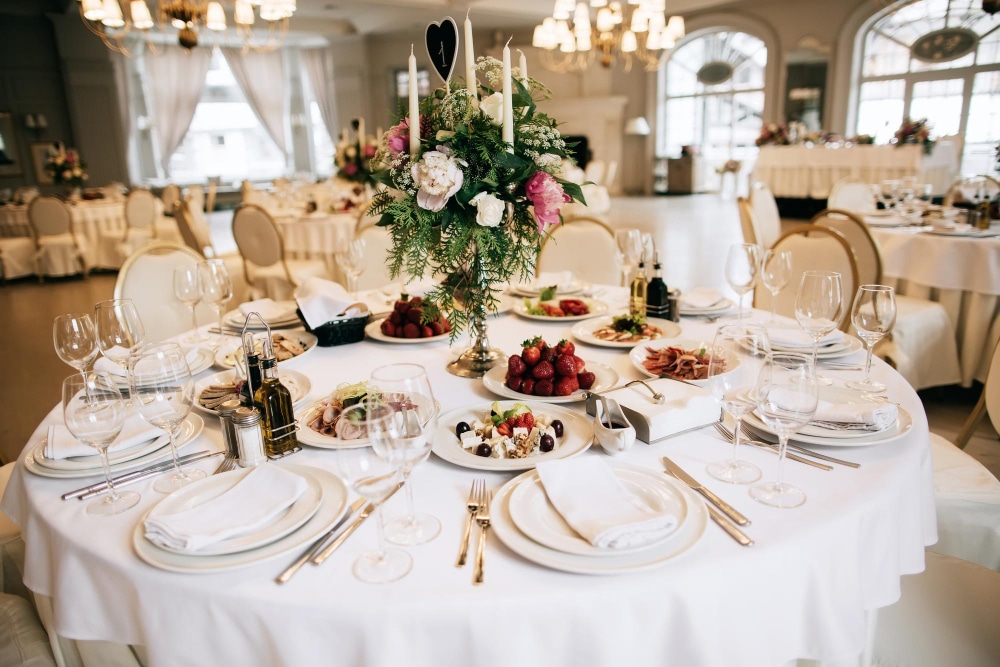
Weddings spread across multiple locations can create an incredible experience for guests. A ceremony in one venue, drinks in another setting, and a reception elsewhere often make the day feel more dynamic, memorable, and visually impressive. However, from a catering perspective, this type of setup introduces a completely different level of complexity.
Food and service now need to move with the event rather than stay fixed in one place. Timing becomes tighter, logistics become more demanding, and small delays can quickly affect the flow of the entire day. The key to making multi-location wedding catering feel seamless is planning every detail carefully while ensuring guests never notice the work happening behind the scenes.
Understanding the Full Journey of the Day
The first step in planning catering across multiple locations is understanding the complete flow of the wedding day. This is not just about where food is served, but how guests move, how long transitions take, and how each part of the day connects.
Without a clear overview, catering can quickly become disconnected from the wider experience.
- Map out every location and transition in detail
- Consider realistic travel and setup times
- Identify where guests will naturally expect food or drinks
- Ensure catering aligns with the overall schedule
Choosing Menus That Work Across Different Settings
Not every dish travels well or suits every environment. Multi-location weddings require menus that can maintain quality while moving between venues and service stages.
The right menu choices reduce stress and ensure consistency throughout the day.
- Choose dishes that hold their quality during transport
- Avoid overly delicate or temperature-sensitive items
- Match food styles to the atmosphere of each location
- Keep menus practical as well as visually appealing
Planning Timing With Precision
Timing is one of the most critical factors in multi-location catering. Delays at one venue can quickly affect the rest of the day if there is no flexibility built into the plan.
Precise scheduling helps maintain flow and keeps the event feeling smooth and controlled.
- Build realistic transition times into the schedule
- Allow buffer periods for unexpected delays
- Coordinate food service with transport and guest movement
- Keep communication clear between all teams involved
Managing Guest Flow Between Locations
Guests need to feel guided through the day without confusion or unnecessary waiting. Catering plays a key role in keeping them comfortable during transitions.
Well-timed refreshments and smooth service help maintain energy and engagement.
- Offer drinks or light food during longer transitions
- Avoid leaving guests waiting without refreshments
- Keep service points easy to access on arrival
- Ensure guests always know where to go next
Coordinating Setup and Breakdown Efficiently
Multiple locations mean multiple setups, which requires careful organisation behind the scenes. Catering teams need to move quickly and efficiently without disrupting the event atmosphere.
A smooth operational process ensures guests only see the finished experience.
- Schedule setup and breakdown times carefully
- Ensure equipment can be moved efficiently between venues
- Keep staff roles clearly defined at each location
- Avoid visible disruption during transitions
Ensuring Food Quality Remains Consistent
One of the biggest challenges with multi-location weddings is maintaining consistent food quality throughout the day. Travel, weather, and timing can all affect the final result.
Proper planning ensures the experience remains consistent from start to finish.
- Use transport methods that maintain temperature and freshness
- Choose service timings that minimise waiting
- Refresh presentation before serving where needed
- Monitor food quality at every stage
Working With Venues That Support the Catering Plan
Not all venues are equally suited to multi-location catering. Access, kitchen facilities, and layout can all impact how smoothly the day runs.
Understanding these practical considerations early helps avoid problems later.
- Visit each venue in advance with the catering team
- Assess access points and loading areas
- Confirm available preparation and storage facilities
- Identify any restrictions that could affect service
Keeping Service Seamless Across Different Environments
Service style may need to adapt depending on the location, but it should still feel consistent as part of the same wedding experience.
Guests should feel continuity throughout the day, even as the setting changes.
- Maintain a consistent level of professionalism across venues
- Adapt service style without losing overall cohesion
- Ensure staff understand the tone of each stage
- Keep transitions between service styles smooth
Preparing for Weather and External Factors
Outdoor spaces and travel between venues introduce variables that cannot always be controlled. Weather and traffic can both impact catering if there is no contingency planning.
Preparation helps minimise disruption and keeps the experience on track.
- Have backup plans for outdoor service areas
- Allow extra time for transport where necessary
- Protect food and equipment from weather conditions
- Stay flexible if timings need slight adjustments
Using Communication to Keep Everything Aligned
Clear communication between venues, caterers, planners, and transport teams is essential. Multi-location weddings involve more moving parts, which means more opportunities for misalignment.
Strong coordination ensures everyone is working to the same plan.
- Share detailed schedules with all suppliers
- Confirm timings regularly throughout the day
- Use clear points of contact for communication
- Keep teams updated if changes occur
Avoiding Common Multi-Location Catering Mistakes
There are several common issues that can affect weddings spread across different venues. Most come from underestimating logistics or overcomplicating the plan.
Keeping things realistic and well organised prevents unnecessary stress.
- Avoid menus that are too difficult to transport
- Do not underestimate travel and setup times
- Ensure staffing levels are sufficient at every location
- Keep the overall schedule achievable and flexible
Creating a Cohesive Experience for Guests
Even though the wedding may take place across different locations, it should still feel like one connected experience. Catering helps tie those stages together.
When done properly, guests experience the day as smooth and effortless.
- Use food and drinks to create continuity between stages
- Keep presentation styles visually connected
- Ensure service standards remain consistent
- Focus on maintaining flow throughout the day
Working With Experienced Catering Teams
Multi-location weddings require a catering team that understands more than just food preparation. They need experience in logistics, timing, and adapting to changing environments.
The right team helps remove pressure and ensures every stage is handled professionally.
- Choose caterers experienced with complex wedding setups
- Discuss logistics in detail during planning
- Ensure the team can adapt if issues arise
- Prioritise organisation and reliability as much as menu quality
Conclusion
Managing wedding catering across multiple locations successfully comes down to planning, coordination, and choosing the right team. Every part of the process, from menu design to transport and timing, needs to work together to support the flow of the day.
When handled properly, guests never see the complexity behind the scenes. They simply experience a wedding that feels smooth, relaxed, and beautifully organised from one location to the next. With the right preparation and support, multi-location weddings can deliver an experience that feels both seamless and memorable without compromising on quality or atmosphere.