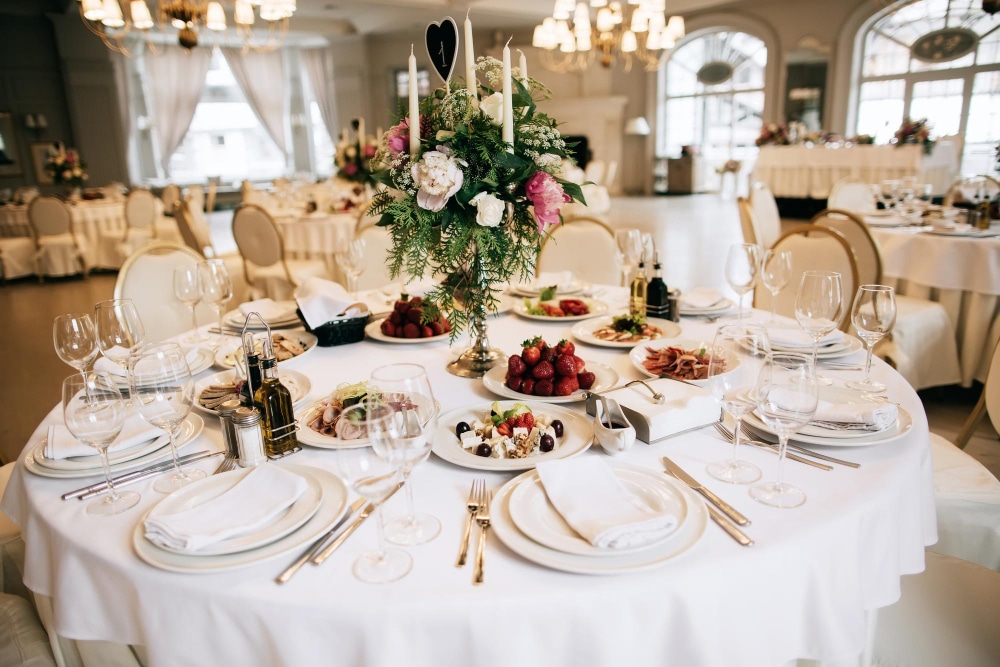
Corporate lunch events serve many purposes. They can bring teams together, support client meetings, accompany conferences, reward employees, facilitate networking, or provide hospitality during training sessions and presentations. Whatever the objective, catering plays a significant role in shaping how the event is perceived.
When corporate lunch catering is poorly organised, guests notice immediately. Long queues, unclear service arrangements, unsuitable food choices, or delayed delivery can create frustration and distract from the purpose of the event. Conversely, when catering is planned effectively, it feels effortless. Guests are comfortable, schedules stay on track, and the food supports the event rather than becoming a distraction.
Professional corporate catering is not necessarily about luxury or extravagance. It is about preparation, reliability, attention to detail, and understanding what attendees need. By focusing on organisation, practicality, and guest experience, businesses can create lunch events that leave a positive and lasting impression.
Start With the Purpose of the Event
Before discussing menus, it is important to understand exactly what the lunch is intended to achieve. Different corporate events require different catering approaches.
The catering should support the wider objective.
- Consider why the event is being held
- Understand attendee expectations
- Align food choices with the event format
- Build the catering around the agenda
Understand Your Audience
The people attending the event should heavily influence the catering decisions. A lunch for clients may require a different approach than a lunch for employees or conference delegates.
Guest expectations matter.
- Consider attendee demographics
- Think about professional expectations
- Review dietary requirements in advance
- Match the menu to the audience profile
Set a Realistic Budget
A clear budget helps shape decisions from the outset. It also allows caterers to recommend suitable options without unnecessary revisions later.
Good planning starts with realistic expectations.
- Define the available budget early
- Prioritise value over low cost
- Consider all catering-related expenses
- Leave room for contingencies
Choose the Right Catering Style
Different service styles create different experiences. Selecting the appropriate format can improve efficiency and guest satisfaction.
The format should suit the event.
- Buffets work well for larger groups
- Individually prepared lunches offer convenience
- Food stations encourage interaction
- Plated meals suit more formal occasions
Plan Around the Event Schedule
Timing is one of the most important factors in corporate catering. Even excellent food can become problematic if it disrupts the event timetable.
The catering should fit seamlessly into the day.
- Identify available lunch windows
- Allow realistic serving times
- Minimise disruption to presentations
- Keep the event running smoothly
Prioritise Practical Food Choices
Corporate lunches should be enjoyable but also practical. Guests often need to eat efficiently while continuing conversations or networking.
Functionality matters.
- Choose foods that are easy to eat
- Avoid excessively messy dishes
- Focus on broad appeal
- Balance quality with practicality
Create Menus With Broad Appeal
Corporate audiences often include people with different tastes, backgrounds, and preferences. A successful menu accommodates this variety.
Inclusivity improves guest satisfaction.
- Offer a range of flavours
- Include familiar menu options
- Avoid overly niche selections
- Ensure broad accessibility
Consider Dietary Requirements Carefully
Dietary requirements are now a routine part of event planning. Handling them professionally demonstrates care and attention to detail.
Every guest should feel accommodated.
- Gather dietary information early
- Provide meaningful alternatives
- Brief catering teams thoroughly
- Ensure dietary options feel equal in quality
Focus on Freshness and Quality
Guests often associate food quality with the professionalism of the event itself. Fresh ingredients help create a positive impression.
Quality speaks for itself.
- Use fresh ingredients wherever possible
- Avoid tired or uninspiring menus
- Prioritise flavour and presentation
- Maintain consistency across all servings
Do Not Overcomplicate the Menu
Complex menus can create operational challenges while offering little additional value to attendees. Simplicity often produces better results.
Less can be more.
- Focus on a smaller number of strong dishes
- Avoid unnecessary menu complexity
- Make choices easy for guests
- Improve consistency through simplicity
Ensure Drinks Are Available Throughout
Refreshments are just as important as the food itself. Attendees should have access to beverages before, during, and after lunch.
Hydration supports engagement.
- Provide water throughout the event
- Include tea and coffee options
- Consider soft drinks where appropriate
- Maintain availability after lunch
Support Networking Through Catering
Many corporate lunches are designed to encourage conversation and relationship building. The catering format should support this objective.
Food can help people connect.
- Create opportunities for interaction
- Avoid layouts that cause congestion
- Encourage natural movement
- Support informal discussions
Think About Presentation
Presentation contributes significantly to perceptions of professionalism. Well-presented food helps elevate the entire event.
Appearance matters.
- Keep displays clean and organised
- Maintain consistency throughout service
- Use attractive serving arrangements
- Reflect the tone of the event
Minimise Queues and Waiting Times
Nothing undermines a professional event faster than long food queues. Efficient service keeps attendees comfortable and the schedule on track.
Organisation improves the experience.
- Plan service capacity carefully
- Avoid bottlenecks where possible
- Consider multiple service points
- Keep guests moving efficiently
Work Closely With Your Caterer
Professional caterers bring valuable experience to event planning. Their expertise can help avoid common mistakes and improve outcomes.
Collaboration creates better results.
- Share event details early
- Discuss schedules thoroughly
- Review logistical requirements
- Communicate expectations clearly
Prepare for Unexpected Changes
Even well-planned events can encounter last-minute adjustments. Building flexibility into the catering plan reduces stress.
Contingency planning protects quality.
- Allow for attendance fluctuations
- Prepare for schedule adjustments
- Maintain communication channels
- Keep backup plans available
Consider the Venue Layout
The venue influences how catering should be delivered. Food service should complement the space rather than compete with it.
Logistics affect guest experience.
- Review access points carefully
- Consider guest movement patterns
- Position catering strategically
- Avoid creating congestion
Use Lunch to Reinforce Professionalism
Corporate catering is an extension of the organisation hosting the event. Guests often associate the quality of the hospitality with the quality of the business itself.
The details contribute to reputation.
- Demonstrate attention to detail
- Deliver a polished experience
- Focus on reliability and consistency
- Reflect organisational standards
Measure Success Through Guest Experience
The success of corporate lunch catering is ultimately determined by how guests feel. The best catering supports the event without drawing attention to itself.
Comfort and convenience are key indicators.
- Keep attendees satisfied and engaged
- Minimise disruption throughout the day
- Support networking and productivity
- Create a positive overall impression
Conclusion
Professional corporate lunch catering is about far more than simply providing food. It requires careful planning, practical menu choices, efficient service, and a clear understanding of the event’s objectives. When done well, catering supports productivity, encourages networking, reinforces professionalism, and helps create a positive experience for everyone attending.
By focusing on organisation, quality, inclusivity, and guest comfort, businesses can ensure their corporate lunches achieve the right balance between hospitality and practicality. The most successful events are often the ones where everything feels effortless, allowing attendees to focus on the purpose of the gathering while enjoying excellent food and service along the way.