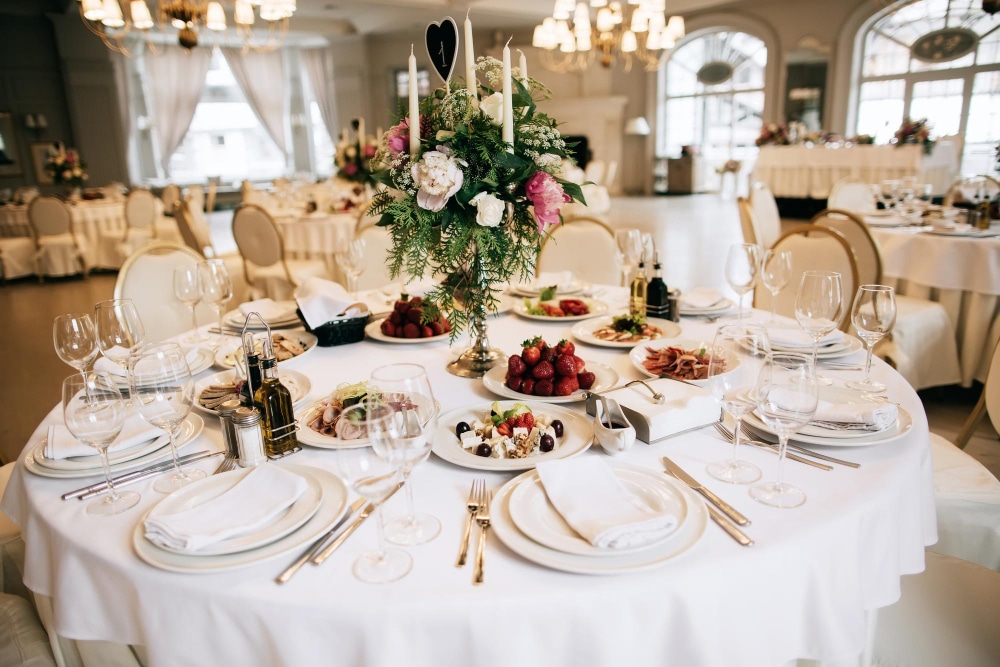
One of the most common challenges when planning an event is estimating the right amount of food. Too little and guests will leave hungry; too much and you risk unnecessary waste and inflated costs. The key lies in finding the right balance between variety, portion size, and guest preferences.
At Plyvine Catering, we understand that portion planning is just as important as menu choice. With decades of experience catering for weddings, corporate events, private parties, and large public functions, we know that the success of any event often hinges on how well the food is calculated and served.
In this guide, we’ll explore how to estimate food portion sizes for different types of catered events, considering menus, service styles, and guest expectations. Whether you’re hosting an intimate dinner party or a large-scale banquet, these insights will help you get it right every time.
Why Portion Size Matters in Catering
Getting portion sizes right ensures your event runs smoothly. Under-catering can cause embarrassment and disappointment, while over-catering can lead to food waste and unnecessary expense. Striking the right balance means your guests are satisfied, and your budget is respected.
When estimating, caterers must take into account not only the number of guests, but also the style of service, menu composition, and the demographic of those attending. A group of teenagers at a sports banquet will likely eat more than a room full of professionals at a business lunch.
At Plyvine, we’ve seen firsthand that careful portion planning removes stress from event organisers and guarantees a positive experience for everyone involved.
General Guidelines for Food Quantities
Before diving into specific service styles, it’s helpful to understand some general rules caterers use to guide portion sizes.
- For a sit-down meal, plan for three courses with average adult portion sizes.
- For buffets, offer more variety but slightly smaller portions per dish, as guests like to sample multiple options.
- For canapés and finger foods, calculate per piece per person based on event length and timing.
- For drinks receptions or grazing tables, consider time of day and whether food is replacing a meal or acting as a light snack.
These rules of thumb act as a baseline. From there, we adjust quantities depending on the specific event.
Estimating Portions for Sit-Down Meals
Formal sit-down meals are one of the easiest formats for portion control because food is plated and served directly to each guest. Caterers follow standard portion sizes for each course, ensuring consistency.
Typical guidelines include:
- Starters: Around 100–150g per portion.
- Main course protein: 150–200g of meat or fish per person, or 120g for vegetarian mains.
- Carbohydrates: 150g of potatoes, rice, or pasta per person.
- Vegetables: 150g of cooked vegetables per person.
- Dessert: 120–150g per serving, depending on type.
Adjustments are often made depending on the occasion. For example, a winter wedding might require heartier portions compared to a light summer banquet.
Buffet Style Events: Balancing Variety and Waste
Buffets are always popular because they offer guests choice, but they can also make portion planning tricky. People tend to take more when food is self-served, and variety encourages sampling across multiple dishes.
To keep things balanced:
- Plan for 1.5 servings per guest when calculating mains, as some will go back for seconds.
- Offer smaller serving utensils to naturally limit portion size.
- Provide more inexpensive sides (salads, breads, rice) to complement premium items.
- Reduce the portion size of each dish to account for the wider selection.
For example, instead of allocating 200g of protein per person, we might provide 120–150g, knowing guests will also choose from several other items.
Canapés and Finger Food Receptions
When catering for cocktail receptions or parties where canapés replace a meal, the number of items per person is crucial. Too few, and guests will be left hungry; too many, and your costs escalate.
Guidelines include:
- For pre-dinner receptions lasting around an hour, allow 4–6 canapés per person.
- For events where canapés replace a meal, provide 12–15 pieces per person.
- Balance hot and cold options to maintain variety and practicality.
- Ensure at least one vegetarian or vegan option for inclusivity.
The choice of canapé also affects quantities. Small, light bites encourage higher numbers, whereas substantial items like mini sliders can reduce total portions needed.
Grazing Tables and Sharing Platters
Grazing tables and sharing platters have grown in popularity, offering a relaxed dining style with abundant, visually appealing displays. These require careful planning to ensure the table looks plentiful without excessive waste.
Key considerations:
- Provide 300–400g of food per person in total, across meats, cheeses, breads, fruits, and accompaniments.
- Include a balance of filling items (bread, dips, cold meats) with lighter elements (fruit, nuts, salads).
- Factor in the event duration – longer events will require more food per person.
- Remember that presentation is part of the appeal, so displays should remain full even as items are consumed.
This style works well for corporate networking events, weddings, and parties where food complements socialising rather than taking centre stage.
Breakfast, Brunch, and Afternoon Tea Events
Not all catered events revolve around lunch or dinner. Morning and afternoon functions have their own portioning rules.
For breakfast buffets:
- Allocate 2 bakery items (pastries, muffins, rolls) per person.
- Provide 150–200g of fruit or yoghurt per guest.
- For hot breakfasts, 2 eggs per person plus accompaniments like bacon, sausage, and toast.
For afternoon teas:
- Allow 3–4 finger sandwiches per person.
- Provide 2–3 small cakes or scones per guest.
- Include a balance of sweet and savoury items to suit all tastes.
- Consider portioning items into individual stands or plates to aid service.
These events often have lighter appetites in mind, but careful calculation prevents running short.
Drinks, Beverages, and Extras
Food isn’t the only aspect of portion planning. Beverages also require accurate estimation, particularly when alcohol is included.
Standard guidelines include:
- Wine: Half a bottle per person for a meal.
- Beer: 1–2 bottles per guest for a two-hour event.
- Soft drinks: 2 glasses per person.
- Tea and coffee: 1.5 cups per person, as some won’t partake.
Extras such as bread, butter, condiments, and side dishes should also be factored in, usually at 10–15% above guest numbers to allow for variations in demand.
Accounting for Guest Demographics
Who your guests are will directly influence portion planning. Caterers must consider age, lifestyle, and cultural preferences when deciding how much food to provide.
- Younger, more active crowds often eat more than older guests.
- Children usually eat half the adult portion size.
- Health-conscious groups may prefer lighter, smaller portions.
- Cultural traditions may require more emphasis on specific food types, such as rice, meat, or vegetarian dishes.
Understanding the audience helps avoid over- or under-catering while ensuring guests feel valued and satisfied.
Seasonal and Event Timing Factors
The season and timing of an event can also affect portion sizes. In colder months, guests typically favour heartier meals and warm dishes, leading to slightly larger portions. In summer, lighter options like salads and cold buffets are more suitable.
Timing matters too. An event scheduled during traditional meal times should provide substantial food, while receptions between meals can focus on lighter bites. For example, a 2pm networking session might only require tea, coffee, and pastries, whereas a 7pm wedding reception demands a full meal.
Building Flexibility into Portion Planning
Even the best estimates must include a margin for flexibility. Guest appetites vary, and unexpected additional attendees may appear. Plyvine Catering always builds in a buffer to account for these scenarios.
- Add 5–10% extra food for unexpected needs.
- Prepare versatile side dishes that can be served in varying quantities.
- Use portion-controlled serving methods where appropriate.
- Keep some extra stock on hand for larger events, particularly when catering on-site.
This ensures peace of mind for hosts and avoids awkward situations where supplies run short.
The Role of Professional Caterers
While hosts can attempt to calculate portion sizes themselves, professional caterers bring invaluable expertise. At Plyvine Catering, we don’t just provide food – we provide reassurance that every guest will be catered for without waste or overspending.
We take into account:
- Guest numbers and demographics.
- Event style and menu.
- Seasonal considerations.
- Practical service logistics.
- Budgetary constraints.
By balancing all these factors, we ensure a seamless catering experience where food is plentiful, beautifully presented, and perfectly portioned.
Practical Tips for Hosts
If you’re planning an event and want to work effectively with your caterer, keep these tips in mind:
- Confirm guest numbers as accurately as possible, including dietary requirements.
- Decide whether food is replacing a meal or acting as light refreshment.
- Share details about your audience – age range, cultural background, and preferences.
- Allow your caterer to advise on portion sizes, trusting their professional judgement.
Clear communication ensures your event runs smoothly and every guest leaves satisfied.
Conclusion
Estimating food portion sizes is both a science and an art. It requires balancing guest numbers, service style, menu choices, and demographic considerations to create an event where food is enjoyed, not wasted.
At Plyvine Catering, we’ve refined this process through years of experience, ensuring that every client receives not only delicious food but also peace of mind that their event is perfectly catered. Whether you’re planning a wedding, corporate function, or private celebration, understanding how to calculate portion sizes will help you deliver a memorable experience.
By following these guidelines – and working with experienced caterers who understand the nuances of portion planning – you can be confident that every guest is well looked after, and your event is a success from start to finish.