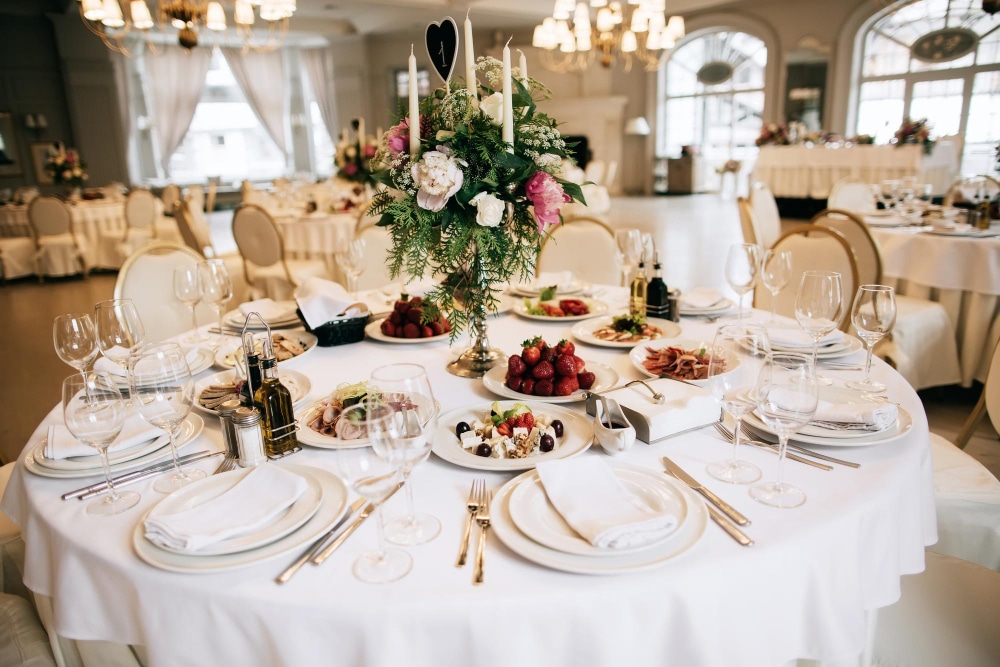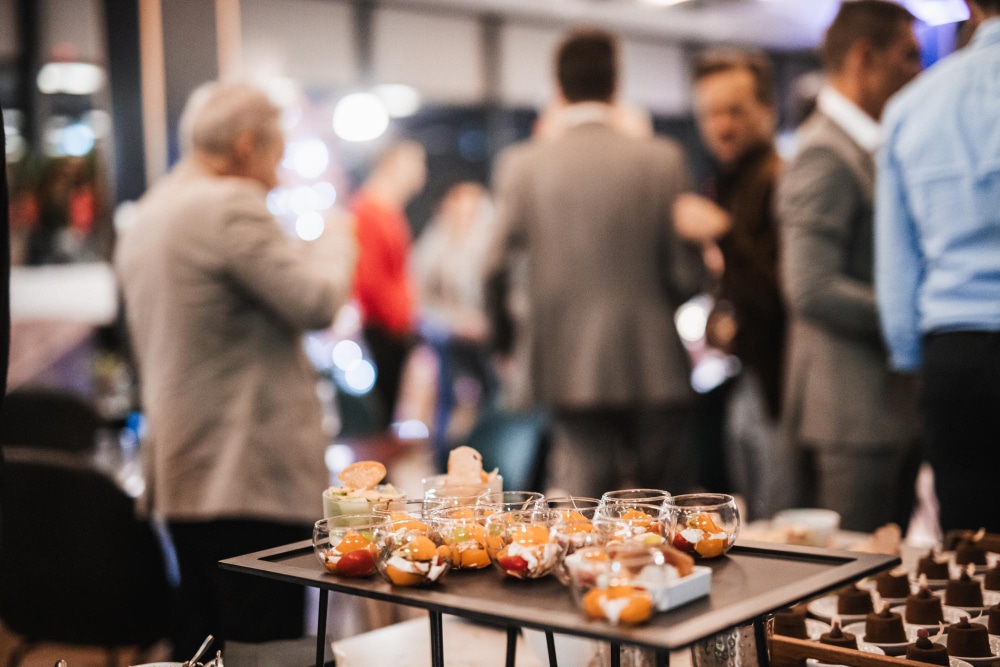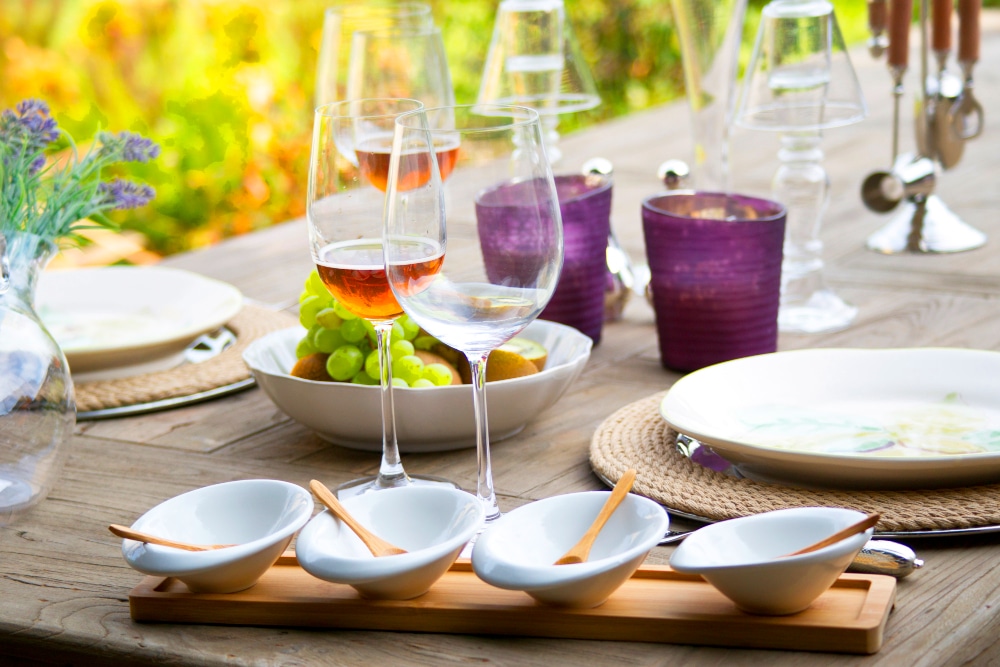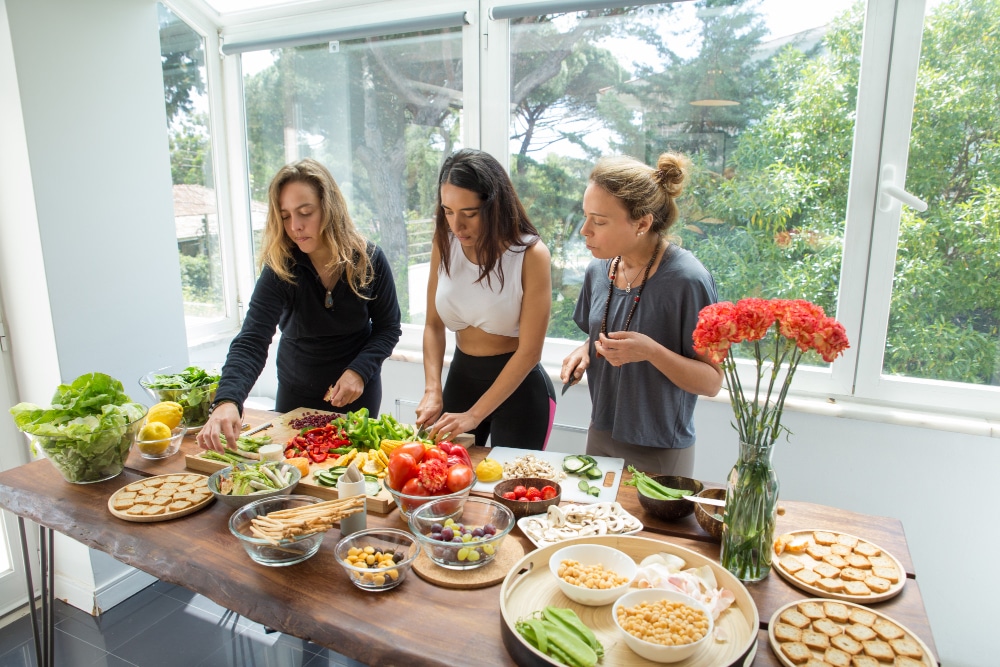
Hosting at home can be brilliant, but smaller spaces create very real challenges when food is involved. A buffet sounds like an easy, social solution until everyone ends up crowding around one surface, blocking the kitchen, and balancing plates awkwardly while trying not to knock over a drink. Limited space does not mean you cannot create a buffet that feels polished, practical, and genuinely enjoyable.
The trick is thinking differently about layout rather than trying to force a traditional buffet setup into a space that cannot comfortably handle it. Smart positioning, vertical thinking, and a little creativity can make even compact homes feel far more event-friendly. The goal is not just fitting food in, but creating a setup that works naturally with how guests move and interact.
Rethink the Idea of a Single Buffet Table
One of the biggest mistakes in smaller homes is assuming a buffet has to live on one long table. That approach often creates congestion and turns one area into a traffic jam.
Breaking the food across multiple smaller points often works much better.
- Split food into separate stations rather than one central setup
- Use different surfaces around the room strategically
- Separate drinks from the main food area
- Reduce pressure on one crowded location
Use Vertical Space Instead of Expanding Outwards
When floor space is limited, the easiest win is thinking upwards. Height creates extra serving capacity without taking over more room.
It also helps the buffet look more styled and intentional.
- Use tiered stands for desserts or finger food
- Add cake stands or stacked serving pieces
- Place smaller bowls on raised platforms
- Create visual layers instead of a flat spread
Turn Sideboards, Consoles, and Shelves Into Serving Zones
You do not need dedicated buffet furniture. Existing home surfaces often work perfectly when used creatively.
This approach keeps the setup integrated into the room.
- Repurpose sideboards for serving food
- Use console tables in hallways or living spaces
- Clear decorative shelving for drinks or snacks
- Think beyond the dining table entirely
Separate Food by Function
Trying to place everything in one area usually creates unnecessary crowding. Dividing food by purpose improves movement and usability.
Guests naturally spread out more when the layout supports it.
- Keep starters or nibbles in one zone
- Position mains or substantial food separately
- Create a dedicated dessert station elsewhere
- Place drinks away from food traffic
Use Kitchen Worktops Strategically
If your kitchen has usable counter space, it can become part of the serving layout rather than a blocked-off prep zone.
The key is making it work with guest flow rather than against it.
- Dedicate part of the worktop to food access
- Keep preparation clutter out of sight first
- Use corners effectively for smaller items
- Ensure guests can move without blocking access completely
Create Grab-and-Go Friendly Food Layouts
Smaller spaces benefit from food that keeps movement quick. Slow-serving or awkward food creates unnecessary bottlenecks.
Practical food choices improve the layout automatically.
- Focus on bite-sized or easy-serve items
- Avoid dishes requiring complicated assembly
- Use clearly portioned food where possible
- Reduce anything that slows guest decision-making
Build a Circular Guest Flow Where Possible
If guests have to enter and exit through the same tight point, congestion becomes inevitable. A circular movement pattern improves comfort significantly.
Even subtle layout adjustments make a difference.
- Position food so guests naturally move one way
- Avoid dead-end serving areas
- Leave clear space around key access points
- Think about how guests will enter and leave each area
Keep Plates, Cutlery, and Napkins Away From Food Bottlenecks
Basic serving essentials can create surprising congestion when placed badly. If everyone stops at the start of the buffet to gather plates, movement slows instantly.
Spreading these items out helps the flow.
- Position plates separately from the busiest food area
- Place cutlery in accessible secondary locations
- Keep napkins available in multiple spots
- Avoid one single “starting point” if space is tight
Use Fold-Out or Temporary Surfaces Creatively
You do not need permanent furniture to improve the layout. Temporary surfaces can add useful capacity without major effort.
The trick is placing them intelligently.
- Use folding tables in overlooked spaces
- Add a compact drinks station in a hallway corner
- Repurpose sturdy side tables temporarily
- Remove them once the busiest service period ends
Make Drinks a Standalone Experience
Drinks often create as much congestion as food. Separating them instantly reduces pressure on the buffet itself.
It also makes guests feel freer to move around.
- Create a dedicated drinks corner or trolley
- Keep glassware separate from food traffic
- Offer self-serve options where practical
- Replenish drinks without disturbing food service
Think About Seating Without Blocking Movement
Smaller homes need seating, but badly placed chairs can ruin guest flow quickly. The buffet layout and seating plan need to work together.
Comfort should not create congestion.
- Avoid seating directly beside busy buffet areas
- Use flexible occasional seating rather than bulky furniture
- Keep clear movement routes through the room
- Remove unnecessary obstacles before guests arrive
Use Presentation to Make Compact Buffets Feel Intentional
A smaller buffet can still look impressive. Thoughtful styling makes a compact setup feel curated rather than limited.
Presentation matters more than sheer quantity.
- Keep serving pieces visually coordinated
- Use height and layering for visual impact
- Avoid cluttered overcrowding
- Focus on neat abundance rather than overfilling
Do a Movement Test Before Guests Arrive
The easiest way to spot layout problems is to physically walk the route yourself before the event begins.
Small adjustments can solve major issues early.
- Walk the guest path around the setup
- Check for awkward pinch points
- Ensure surfaces are accessible from sensible angles
- Adjust based on practical movement, not just appearance
Conclusion
A smaller home does not mean abandoning the idea of a successful buffet. It simply means being smarter about how the layout works. Traditional single-table setups are often the least effective solution in compact spaces. Creative zoning, vertical serving, thoughtful guest flow, and practical food choices can transform the experience completely.
The goal is not squeezing everything in. It is making the space work naturally for how people actually behave at social gatherings. When planned properly, even a modest home can host a buffet that feels relaxed, polished, and far more spacious than guests expected.