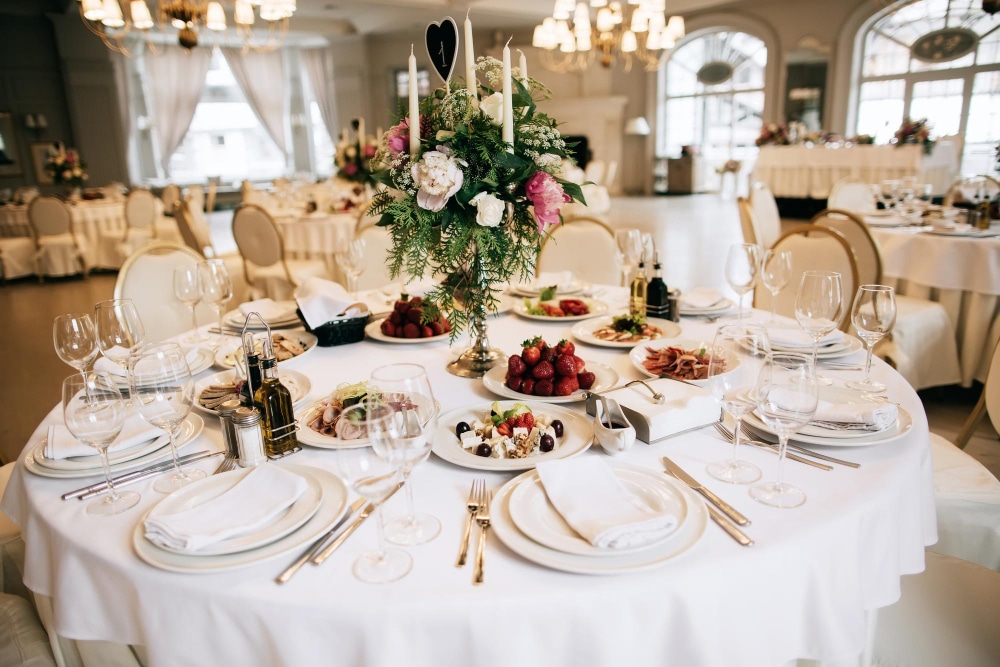
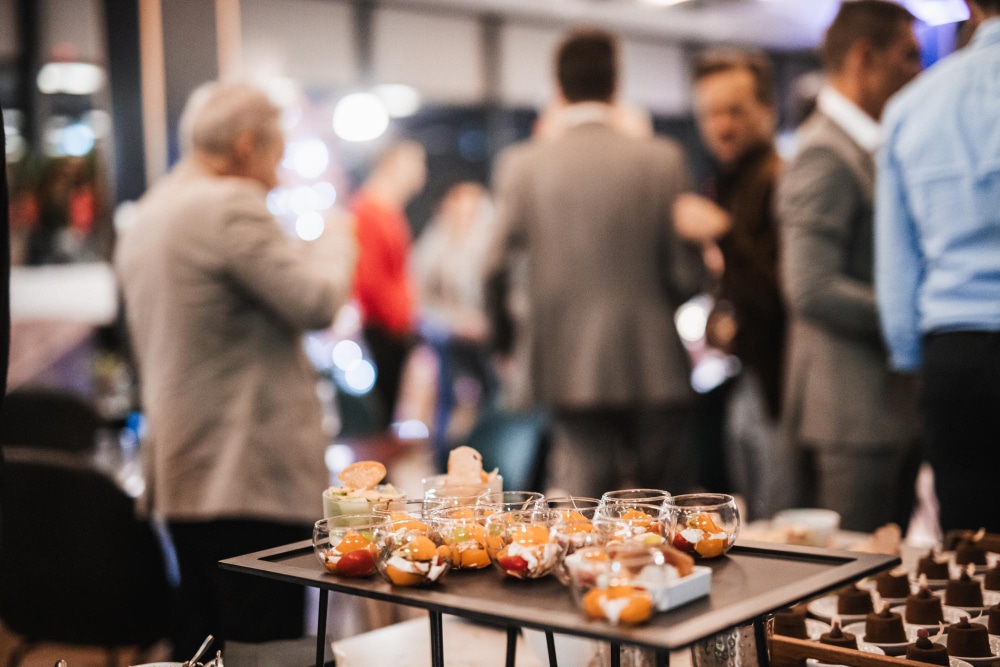
Formal events are designed to feel organised, polished, and carefully managed. Guests expect structure, professionalism, and attention to detail from the moment they arrive. However, there is a fine line between an event that feels refined and one that feels rigid or uncomfortable. Catering plays a major role in shaping that balance.
Food and service need to support the structure of the event without making guests feel restricted or overly managed. The best formal events feel effortless from the guest perspective. Everything runs on time, service is smooth, and the atmosphere remains relaxed enough for people to genuinely enjoy themselves. Achieving that balance requires careful planning and a strong understanding of guest experience.
Understanding the Purpose of the Event
Every formal event has a purpose, whether it is a gala dinner, awards ceremony, corporate function, or charity ball. Catering should support that purpose rather than existing separately from it.
When food and service align with the event’s objectives, everything feels more cohesive and natural.
- Identify the main focus of the event from the start
- Consider how catering fits into the overall schedule
- Ensure food service supports key moments
- Keep the guest experience central to planning decisions
Creating Structure Without Feeling Overly Rigid
Structure is important at formal events because it keeps everything organised and on schedule. However, guests should not feel like they are being moved mechanically from one stage to another.
The aim is to maintain control while still allowing the evening to feel relaxed and enjoyable.
- Build realistic timings into the schedule
- Allow natural breaks between formal stages
- Avoid rushing guests through service
- Keep transitions smooth and well managed
Choosing Menus That Feel Refined but Approachable
Formal does not need to mean overly complicated. Guests want food that feels high quality and well considered, but they also want to enjoy eating it comfortably.
Menus should feel elevated without becoming inaccessible or intimidating.
- Choose dishes with broad appeal and quality ingredients
- Avoid overly experimental or difficult flavours
- Keep portions balanced and satisfying
- Ensure presentation feels polished but not excessive
Timing Food Service to Maintain Comfort
Poor timing is one of the quickest ways to make guests uncomfortable at a formal event. Long gaps between courses or delayed service can make the evening feel slow and tiring.
Well-paced catering keeps energy levels consistent and supports the flow of the event.
- Space courses evenly throughout the evening
- Avoid leaving guests waiting too long for food
- Coordinate service with speeches and presentations
- Maintain a consistent pace from start to finish
Ensuring Guests Feel Relaxed During Service
Formal service should feel smooth and attentive, not stiff or intrusive. Guests should feel looked after without feeling constantly interrupted.
The best service blends into the background while still maintaining a high standard.
- Train staff to be attentive but discreet
- Avoid interrupting conversations unnecessarily
- Keep service movements calm and coordinated
- Ensure guests can relax without feeling rushed
Balancing Presentation With Practicality
Presentation is important at formal events, but practicality still matters. Guests should be able to eat comfortably without struggling with complicated plating or awkward dishes.
A balance between elegance and usability creates a much better experience.
- Focus on clean and consistent plating
- Avoid dishes that are difficult to eat neatly
- Keep table setups elegant but functional
- Ensure all guests can eat comfortably in the setting
Managing Large Numbers Without Losing Personal Touch
Formal events often involve large guest counts, which can make service feel impersonal if not handled carefully. Catering should still feel attentive and considered.
Guests notice when details are overlooked, particularly in formal environments.
- Ensure staffing levels match guest numbers
- Keep service consistent across all tables
- Brief staff on guest requirements in advance
- Maintain quality even during busy stages
Using Layout to Improve Guest Comfort
The physical setup of the venue influences how comfortable guests feel throughout the event. Catering areas, tables, and service routes all affect flow and atmosphere.
A well-planned layout supports both structure and relaxation.
- Ensure enough space between tables
- Keep walkways clear and accessible
- Position service stations strategically
- Avoid overcrowding the venue with furniture or displays
Providing Flexibility Within a Structured Schedule
Even formal events need some flexibility. Guests do not always move at exactly the same pace, and unexpected delays can happen.
Building flexibility into the catering plan helps maintain comfort without losing control of the schedule.
- Allow buffer time between key stages
- Be prepared to adjust service slightly if needed
- Keep communication open between all teams
- Avoid schedules that leave no room for movement
Handling Dietary Requirements Smoothly
Guests with dietary requirements should feel just as included and comfortable as everyone else. Poor handling of these needs can quickly affect the overall experience.
A seamless approach maintains professionalism and inclusivity.
- Collect dietary information well in advance
- Ensure alternative dishes match the quality of the main menu
- Brief staff clearly on guest requirements
- Serve all guests at the same time where possible
Avoiding Common Mistakes That Affect Comfort
Many formal events lose their sense of ease because of avoidable catering mistakes. Overly long service times, complicated menus, or poor coordination can all impact guest comfort.
Simplicity and organisation often deliver the best results.
- Avoid overcomplicating the menu or service style
- Do not overload the event schedule
- Ensure clear communication between all suppliers
- Prioritise guest experience over unnecessary formality
Working With Experienced Catering Teams
Formal events require caterers who understand both structure and hospitality. Experience makes a significant difference in delivering smooth service while maintaining guest comfort.
The right team helps ensure everything feels controlled without becoming rigid.
- Choose caterers experienced in formal events
- Discuss service flow and guest experience in detail
- Ensure the team understands the tone of the event
- Prioritise professionalism, organisation, and adaptability
Creating an Experience Guests Actually Enjoy
Ultimately, guests remember how an event felt more than how precise the schedule was. Catering should contribute to an atmosphere where people feel comfortable, engaged, and well looked after.
When structure and comfort are balanced correctly, the entire event feels more successful.
- Focus on atmosphere as well as efficiency
- Keep guests comfortable throughout the evening
- Ensure food enhances rather than interrupts the event
- Create a sense of flow from beginning to end
Conclusion
Catering for formal events is about more than delivering high-quality food. It is about creating an experience where structure supports the event without making guests feel restricted or uncomfortable. Timing, service, layout, and menu choices all play a role in finding that balance.
When approached thoughtfully, formal catering can feel polished and professional while still allowing guests to relax and enjoy themselves. By focusing on flow, practicality, and guest experience, and by working with experienced catering professionals, you can create an event that feels seamless, welcoming, and memorable for all the right reasons.