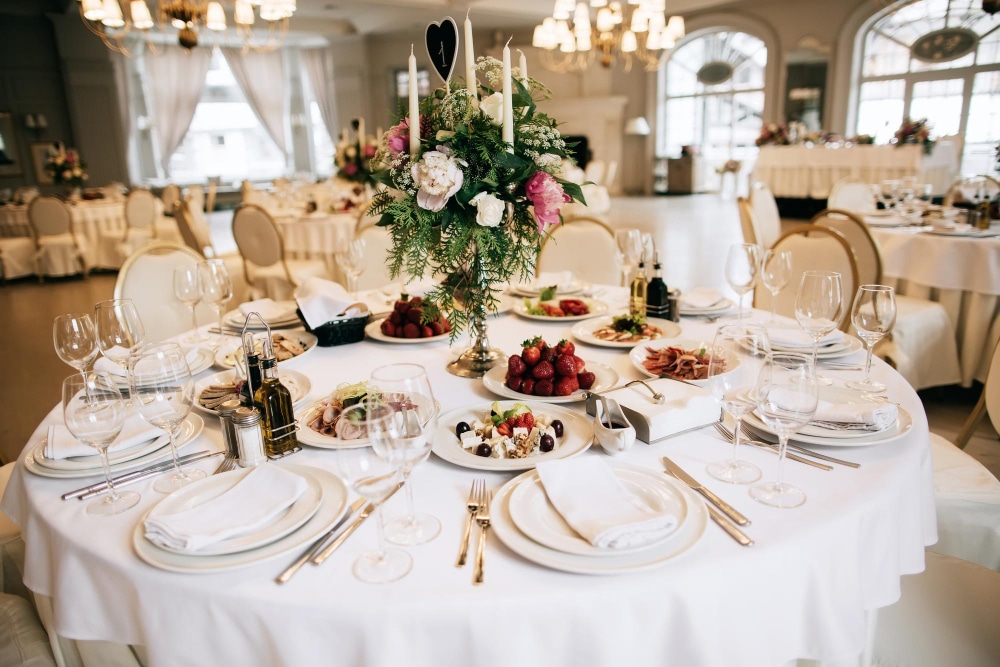
Events that combine speeches, entertainment, and dining can create a powerful experience when everything works in sync. Guests are not just attending for the food or the programme individually, they are there for a complete, well-paced event where each element supports the other. When catering is aligned with what is happening on stage or around the room, the entire experience feels polished and intentional.
The challenge comes when these elements compete rather than complement each other. Poor timing, disruptive service, or mismatched pacing can break the flow and leave guests feeling disconnected. Catering in these environments is not just about delivering food, it is about understanding timing, structure, and how people move through the event. This guide explains how to get that balance right.
Understand the Structure of the Event First
Before planning any catering, it is essential to understand how the event is structured. Speeches, performances, and key moments dictate when and how food should be served.
Clarity on structure prevents avoidable issues.
- Map out the full event timeline in advance
- Identify key moments where attention is required
- Understand how long each segment will last
- Align catering plans with the event schedule
Plan Food Service Around Key Moments
Food should never compete with important speeches or entertainment. Guests need to be able to focus without distraction during these moments.
Timing is critical to maintaining flow.
- Serve courses before or after speeches
- Avoid clearing plates during key moments
- Pause service during performances
- Coordinate closely with event hosts
Choose the Right Service Style for the Format
Different service styles suit different event formats. Selecting the right one helps ensure that catering supports the event rather than slowing it down.
The service style sets the tone for delivery.
- Use plated service for structured, formal events
- Consider buffet service for more relaxed settings
- Avoid formats that require long queues
- Ensure service matches the event pace
Keep Transitions Smooth Between Segments
Events with multiple elements require smooth transitions. Catering should help move the event along rather than creating pauses or confusion.
Seamless transitions maintain energy.
- Clear and reset tables efficiently
- Prepare the next course in advance
- Use staff to guide guest movement if needed
- Avoid gaps where nothing is happening
Design Menus That Fit the Event Pace
The type of food served should reflect how quickly or slowly the event is moving. Heavy or complex dishes can slow things down if the schedule is tight.
Menu design should match timing.
- Choose courses that can be served efficiently
- Avoid overly intricate plating requirements
- Ensure dishes hold well during service
- Keep menus balanced and manageable
Ensure Guests Can Stay Engaged
Guests should not have to choose between eating and paying attention. Catering should allow them to do both comfortably.
Engagement is a key priority.
- Avoid noisy service during speeches
- Keep movement around the room minimal
- Serve food at appropriate intervals
- Ensure guests are settled before key moments
Manage Table Service With Precision
In events with seating, table service must be carefully coordinated. Poorly timed service can distract from what is happening on stage.
Precision improves the overall experience.
- Train staff to work quietly and efficiently
- Serve tables in a logical order
- Coordinate plate clearing with event timing
- Maintain consistency across all tables
Coordinate With Speakers and Performers
Catering teams should be aware of when speakers and performers are scheduled. This allows service to be adjusted in real time if needed.
Coordination avoids disruption.
- Share the service plan with event organisers
- Stay updated on any timing changes
- Be ready to pause or adjust service
- Keep communication open throughout
Avoid Bottlenecks and Delays
Large events can quickly run into issues if service is not well organised. Bottlenecks around serving areas or delays in courses can disrupt the flow.
Efficiency keeps everything moving.
- Ensure sufficient staff are available
- Use multiple service points where needed
- Prepare for peak service moments
- Monitor progress throughout the event
Balance Food Quantity With Event Flow
Serving too much food too quickly can slow the event, while too little can leave guests unsatisfied. The balance needs to be carefully managed.
Portion planning supports timing.
- Match portion sizes to the event duration
- Avoid overly heavy courses early on
- Space courses appropriately
- Ensure guests remain comfortable throughout
Consider the Role of Drinks Service
Drinks are often served alongside food and throughout the event. They must be managed carefully to avoid distraction or disruption.
Drinks should support, not interrupt.
- Serve drinks before or between key moments
- Avoid topping up during speeches
- Ensure bar areas do not create congestion
- Keep service consistent throughout
Plan for Flexibility on the Day
Even the best-planned events can change slightly on the day. Catering teams must be able to adapt without compromising quality or timing.
Flexibility reduces stress.
- Build buffer time into the schedule
- Prepare for slight delays or changes
- Keep backup plans for key stages
- Ensure staff can respond quickly
Use Lighting and Atmosphere to Support Dining
The environment plays a role in how catering is experienced. Lighting and atmosphere should support both dining and entertainment.
Atmosphere enhances the experience.
- Adjust lighting for dining versus performances
- Ensure tables are well lit during meals
- Avoid overly dark or distracting setups
- Align atmosphere with the event tone
Keep Guest Comfort in Mind Throughout
Guests should feel comfortable moving between eating, listening, and watching. Catering should support this without creating friction.
Comfort improves engagement.
- Ensure enough space between tables
- Avoid overcrowding serving areas
- Keep service areas accessible
- Maintain a relaxed and welcoming environment
Work as Part of a Wider Event Team
Catering does not operate in isolation. It must work alongside organisers, venue staff, and production teams to deliver a seamless experience.
Collaboration is essential.
- Align with the event schedule and production team
- Share key timings with all involved parties
- Coordinate with venue staff on logistics
- Maintain clear communication throughout
Focus on the Overall Experience
Guests will remember how the event felt as a whole, not just individual elements. Catering should enhance that feeling by supporting flow, timing, and comfort.
The experience is what matters most.
- Keep service smooth and unobtrusive
- Ensure food quality remains consistent
- Align catering with the event’s purpose
- Deliver a cohesive, well-paced experience
Conclusion
Catering for events that include speeches, entertainment, and dining is about more than just food. It is about timing, coordination, and understanding how each element interacts with the others. When catering is planned in isolation, it can disrupt the flow of the event. When it is integrated into the overall structure, it enhances the entire experience.
By focusing on timing, service style, and coordination, it is possible to create events where everything works together seamlessly. Guests can enjoy their food, stay engaged with the programme, and move through the event without disruption. That balance is what turns a well-planned event into a memorable one.