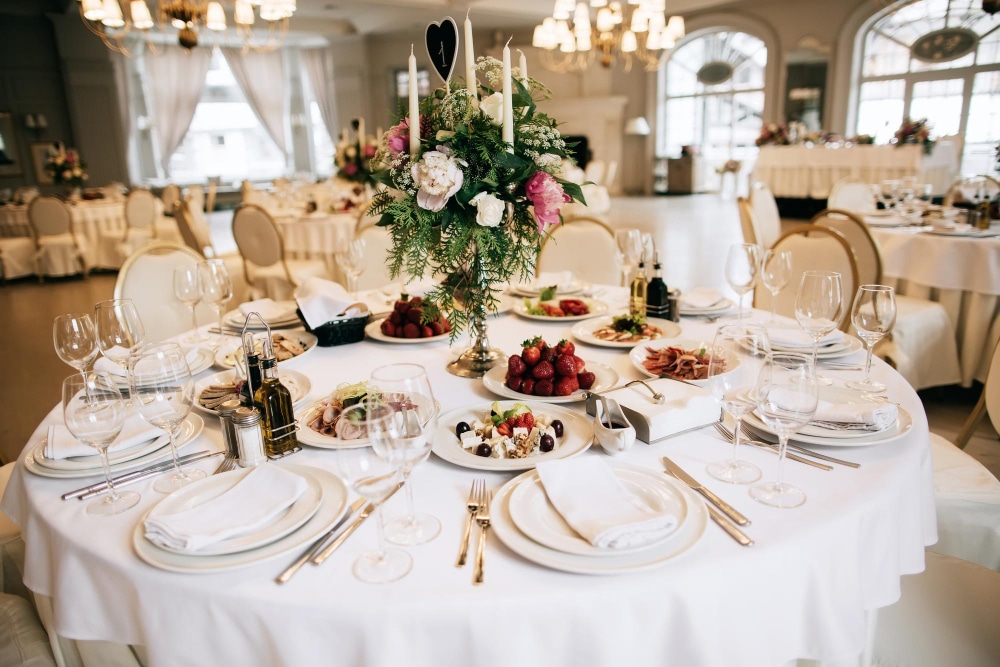
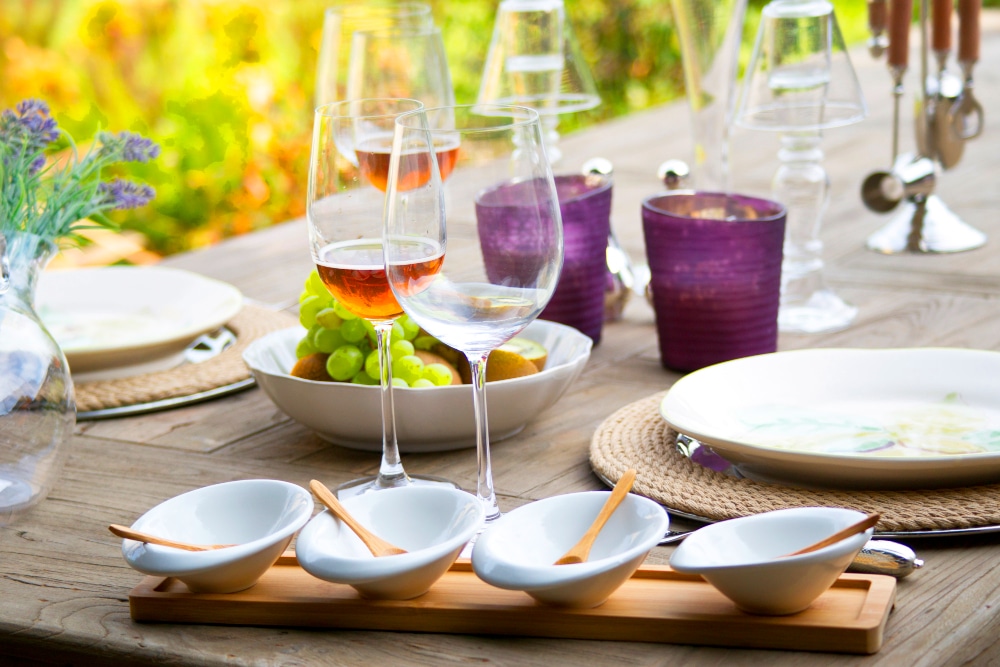
Not every event follows a traditional structure where all guests arrive at the same time, sit down together, and experience the same schedule. Many modern events involve staggered arrivals, with guests joining throughout the day or evening. Weddings often have separate groups attending different parts of the celebration, networking events may see people arriving around work commitments, and open-house style gatherings frequently welcome guests over several hours.
While flexible arrival times can make events more accessible and convenient, they also present unique catering challenges. Food that works perfectly for a fixed schedule may be less effective when guests arrive at different times. Long gaps between arrivals can affect food quality, service flow, and guest satisfaction if the catering strategy has not been carefully planned.
The key is to create a catering experience that feels welcoming and consistent regardless of when guests arrive. By focusing on flexibility, accessibility, and thoughtful planning, organisers can ensure every attendee enjoys the same high standard of hospitality.
Understand the Nature of the Event
Before choosing menus or service styles, it is important to understand why guests will be arriving at different times. The reason often determines the most suitable catering approach.
Context shapes the solution.
- Consider the event structure
- Identify likely arrival patterns
- Understand guest expectations
- Plan around attendance behaviour
Recognise the Challenges of Staggered Arrivals
Events with flexible arrival times require different thinking than traditional gatherings. Catering must remain effective over an extended period.
Consistency becomes a priority.
- Food must remain appealing
- Service needs to stay organised
- Guests should receive equal hospitality
- Quality must be maintained throughout
Focus on Continuous Hospitality
Every guest should feel welcomed regardless of when they arrive. The catering experience should support this goal from beginning to end.
Hospitality should not depend on timing.
- Create a welcoming arrival experience
- Ensure refreshments remain available
- Maintain service standards consistently
- Avoid making late arrivals feel overlooked
Avoid Rigid Meal Structures
Traditional sit-down dining often works best when everyone arrives together. Staggered attendance usually requires a more flexible approach.
Adaptability improves the experience.
- Consider alternative service styles
- Allow guests to eat when convenient
- Reduce dependence on fixed schedules
- Improve accessibility for all attendees
Grazing Tables Work Particularly Well
Grazing tables are often one of the most effective catering solutions for events with varied arrival times. They provide flexibility while maintaining visual appeal.
Guests can help themselves easily.
- Food remains available throughout
- Guests choose their own timing
- The display encourages interaction
- Variety appeals to different preferences
Food Stations Encourage Flexibility
Interactive food stations allow catering to remain fresh and engaging over longer periods. They also accommodate changing guest numbers effectively.
Fresh preparation adds value.
- Reduce waiting times
- Maintain food quality
- Encourage guest movement
- Create a more dynamic atmosphere
Offer Continuous Refreshments
Drinks play an important role in welcoming guests as they arrive. Refreshments should be easily accessible throughout the event.
Availability supports comfort.
- Keep drinks stations stocked
- Offer alcoholic and non-alcoholic options
- Provide water consistently
- Maintain hospitality throughout
Consider Smaller Portions Served More Frequently
Rather than presenting all food at once, staggered service can help maintain freshness and quality while accommodating arrivals throughout the event.
Timing influences perception.
- Improve food presentation
- Maintain freshness standards
- Reduce waste
- Keep displays appealing
Create an Effective Arrival Experience
Guests arriving later should still feel that they are joining a well-organised event. Catering can help create that positive first impression.
The welcome matters.
- Provide refreshments immediately
- Ensure food remains available
- Maintain presentation standards
- Help guests settle in comfortably
Use Menus That Hold Well Over Time
Some dishes naturally retain their quality better than others. Menu planning should take extended service periods into account.
Practicality supports quality.
- Choose foods suited to longer service
- Avoid items that deteriorate quickly
- Focus on consistent presentation
- Maintain flavour and texture
Keep Food Fresh and Attractive
Guests arriving later should not feel they are receiving leftovers. Catering displays should remain appealing throughout the event.
Visual presentation matters.
- Refresh displays regularly
- Replace depleted items promptly
- Maintain cleanliness standards
- Ensure food looks inviting
Plan Staffing Around Arrival Patterns
Service requirements often fluctuate throughout events with staggered attendance. Staffing plans should reflect these patterns.
Resources should match demand.
- Anticipate peak arrival periods
- Adjust staffing where necessary
- Maintain service quality consistently
- Support efficient operations
Encourage Guest Interaction Through Food
Food can help bring together guests who arrive at different times. Shared catering experiences encourage conversation and engagement.
Hospitality supports socialising.
- Create communal dining opportunities
- Encourage movement around the venue
- Use catering as a conversation starter
- Help guests integrate naturally
Think About Event Flow
Catering should complement the structure of the event rather than compete with it. Guests should be able to enjoy food without missing key activities.
Balance is important.
- Coordinate with the event schedule
- Avoid service conflicts
- Maintain flexibility
- Support the overall experience
Consider Different Guest Needs
Some attendees may arrive expecting a full meal, while others may only want light refreshments. A varied catering approach can accommodate both.
Choice improves satisfaction.
- Offer substantial options where appropriate
- Include lighter alternatives
- Cater for different appetites
- Maintain menu balance
Communicate Clearly With Guests
Guests should understand what food and drink arrangements are available. Clear communication helps manage expectations.
Information reduces uncertainty.
- Explain catering arrangements in advance
- Highlight available options
- Provide clear signage
- Help guests navigate the event
Use Catering to Maintain Energy Levels
Longer events often require ongoing refreshment opportunities. Food can help keep guests comfortable and engaged throughout.
Comfort supports participation.
- Prevent hunger becoming a distraction
- Maintain energy levels
- Encourage guests to stay longer
- Support a positive atmosphere
Work With Experienced Caterers
Events with varied arrival times require a different operational approach. Experienced caterers understand how to maintain quality throughout.
Professional expertise matters.
- Identify potential challenges early
- Recommend suitable service styles
- Improve logistical efficiency
- Deliver a more consistent experience
Evaluate the Guest Journey
Every attendee should enjoy a similar experience regardless of when they arrive. Reviewing the event from the guest perspective helps achieve this.
Consistency creates satisfaction.
- Consider every arrival scenario
- Maintain standards throughout
- Focus on guest comfort
- Deliver reliable hospitality
Conclusion
Catering events where guests arrive at different times requires flexibility, thoughtful planning, and a strong focus on guest experience. Traditional approaches may not always suit staggered attendance, but alternative service styles such as grazing tables, food stations, and continuous refreshments can provide excellent solutions.
The goal is to ensure that every guest feels welcomed, valued, and well looked after regardless of when they arrive. By focusing on consistency, freshness, accessibility, and hospitality, organisers can create events that run smoothly while delivering a positive and memorable experience for everyone involved. When catering is designed around guest behaviour rather than rigid schedules, staggered arrivals become an opportunity rather than a challenge.