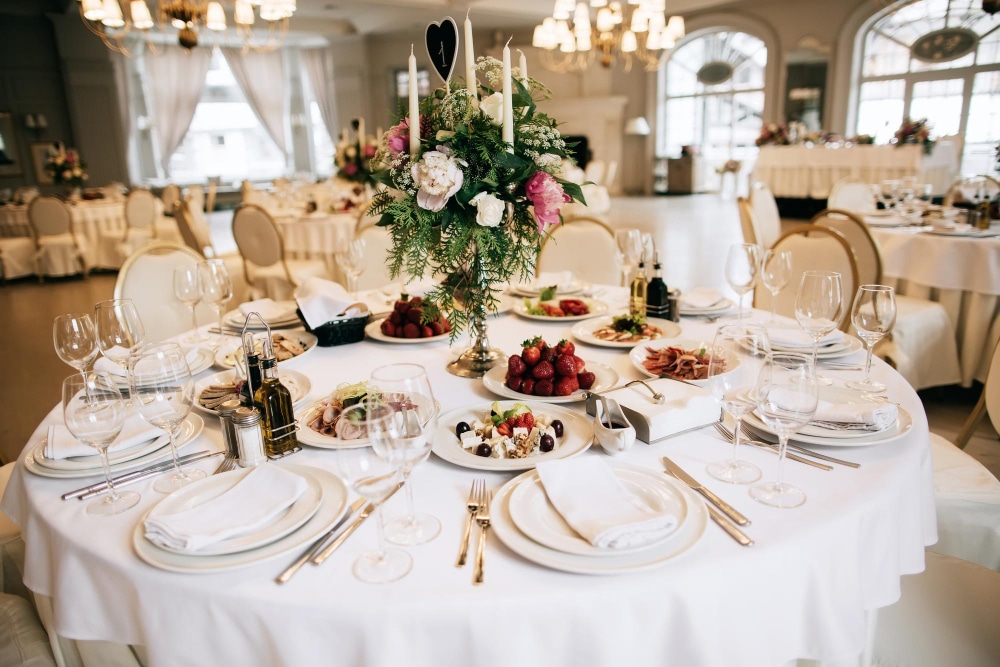
Christmas events often bring together guests of all ages, from young children to adults with very different tastes, appetites, and expectations. Catering for everyone at once can feel challenging, particularly when trying to balance festive indulgence with practicality. Children tend to prefer familiar, approachable food, while adults often look for richer flavours, seasonal twists, and a sense of occasion. The key is creating a menu that satisfies both without feeling split or disjointed.
A successful mixed-age Christmas menu is one that feels cohesive, flexible, and thoughtfully planned. Rather than designing two completely separate menus, it’s often better to build shared foundations with adaptable elements. This guide explores how to cater for children and adults at Christmas events in a way that keeps everyone happy, well fed, and fully part of the celebration.
Start with Familiar Flavours Everyone Recognises
Familiar flavours create confidence for children and comfort for adults. At Christmas events, recognisable dishes help guests relax and enjoy themselves without uncertainty. These flavours form a shared starting point that can be adapted subtly for different age groups.
- Use traditional Christmas ingredients such as turkey, potatoes, and carrots
- Build menus around well-known combinations before adding variations
- Avoid overly experimental flavours in core dishes
- Let familiarity anchor the overall menu
Use One Base Dish with Flexible Variations
A single base dish that can be adapted works well for mixed-age catering. This approach simplifies preparation while allowing each guest to tailor their plate. It also prevents the menu from feeling divided between “children’s food” and “adult food.”
- Serve roast meats with optional sauces or seasonings
- Offer plain versions alongside lightly spiced alternatives
- Allow guests to add condiments rather than baking them in
- Present variations together to avoid separation
Keep Portions Adjustable for Different Appetites
Children and adults have very different portion needs, especially at Christmas events where food is often served over several hours. Adjustable portions help reduce waste while ensuring everyone feels comfortable. Smaller servings also encourage sampling rather than overload.
- Offer smaller default portions with the option to return for more
- Use buffet or sharing styles where appropriate
- Avoid oversized plates for children
- Balance portion size with food density
Include Handheld Foods That Work Across Ages
Handheld foods are especially useful when children and adults are sharing the same space. They allow children to eat comfortably without cutlery while giving adults easy, social food options. These items support movement and mingling during the event.
- Choose foods that are easy to hold and bite
- Avoid sauces that drip or spill easily
- Keep textures soft enough for younger guests
- Ensure flavours are gentle but satisfying
Balance Plain Options with More Festive Variations
Not all guests want bold seasoning, but not all want plain food either. Offering both allows everyone to feel considered without doubling the workload. This balance keeps the menu inclusive while still feeling festive.
- Serve plain items alongside seasoned equivalents
- Add festive garnishes rather than strong spices
- Keep heat and spice optional rather than standard
- Present choices clearly without over-labelling
Offer Vegetable Dishes That Appeal Beyond Children’s Menus
Vegetables are often where children and adults diverge, but Christmas vegetables can be prepared in ways that suit both. Thoughtful cooking methods make vegetables more appealing across age groups while still supporting a festive menu.
- Roast vegetables to bring out natural sweetness
- Avoid strong bitterness or heavy seasoning
- Cut vegetables into manageable, recognisable shapes
- Serve sauces or dips on the side
Choose Carbohydrates That Feel Comforting and Filling
Carbohydrates are often the safest and most popular part of a mixed-age Christmas menu. They provide comfort, familiarity, and energy, making them ideal for long events with children present. Well-chosen carbs anchor the meal.
- Include roast potatoes, mash, or soft breads
- Avoid overly complex or grain-heavy sides
- Keep textures soft and easy to eat
- Use herbs sparingly for flavour
Build a Buffet Layout That Avoids Pressure
Buffet service can work well for mixed-age events if it’s laid out thoughtfully. Children benefit from being able to see and choose food, while adults appreciate the flexibility. Good layout reduces stress for everyone.
- Position child-friendly items at accessible heights
- Separate hot and cold items for safety
- Avoid long single-file queues
- Keep serving utensils simple and manageable
Keep Allergens and Dietary Needs Clearly Managed
Children’s events often involve allergies or sensitivities, making clarity essential. Adults also appreciate transparency when navigating festive food. Clear labelling and sensible separation reduce risk and anxiety.
- Label dishes clearly with key ingredients
- Keep allergen-free items clearly separated
- Avoid hidden ingredients in shared dishes
- Communicate options clearly to guests
Use Dips and Sauces to Add Choice Without Complexity
Dips and sauces allow guests to control flavour intensity. Children can enjoy food plain, while adults can customise their plate. This approach adds flexibility without increasing preparation complexity.
- Serve sauces on the side rather than mixed in
- Offer mild and richer options
- Use familiar sauces alongside festive ones
- Keep portions controlled to avoid mess
Provide Sweet Treats That Feel Special but Not Overwhelming
Desserts are often the highlight for children but should still feel refined enough for adults. Small, recognisable treats work best, offering indulgence without excess. Shared dessert tables encourage relaxed enjoyment.
- Use bite-sized desserts rather than large portions
- Stick to familiar flavours like chocolate or vanilla
- Avoid overly rich or alcohol-based desserts
- Present desserts in a fun but tidy way
Separate Adult Add-Ons Rather Than Separate Menus
Instead of creating a children’s menu and an adult menu, it’s often better to offer adult enhancements. This keeps everyone eating the same core food while allowing adults to enjoy extra flavour or indulgence.
- Add gravy, sauces, or condiments for adults
- Offer optional sides with stronger flavours
- Keep enhancements clearly optional
- Avoid isolating children with visibly different food
Time Food Service Around Children’s Energy Levels
Children often eat earlier and lose interest faster than adults. Planning food service around this helps prevent restlessness and disruption later in the event. Adults can continue enjoying food at a slower pace.
- Serve main food earlier in the event
- Offer snacks later for children
- Avoid long gaps between food service
- Keep food available without pressure
Create Snack Options for Later in the Event
As events continue, children often need small snacks rather than full plates. Light, familiar snacks help maintain energy without overstimulation. Adults also appreciate late-event grazing options.
- Offer simple snacks later in the evening
- Keep portions small and easy to eat
- Avoid sugary overload close to the end
- Choose snacks that don’t require supervision
Present Food in a Way That Feels Equal for All Ages
Presentation matters more than people realise. When food looks inviting and consistent, children feel included rather than singled out. Adults also respond positively to thoughtful, well-presented food.
- Use the same serving dishes for all guests
- Avoid obvious “kids only” areas
- Keep colours warm and inviting
- Maintain tidy, refreshed displays
Communicate the Menu Clearly to Parents and Guests
Clear communication helps parents feel confident and reduces questions on the day. Adults appreciate knowing what to expect, especially when attending with children. Transparency builds trust and calm.
- Share menu details in advance where possible
- Highlight child-friendly elements naturally
- Avoid labelling food in a way that feels dismissive
- Be clear about flexibility and options
Conclusion: Inclusive Christmas Catering Brings Everyone Together
Catering for both children and adults at Christmas events doesn’t require separate menus or complicated compromises. With thoughtful planning, familiar flavours, and flexible serving styles, it’s possible to create a shared experience that feels festive, inclusive, and relaxed. When everyone feels considered, the event flows more smoothly and the atmosphere becomes warmer and more enjoyable.
At Plyvine Catering, we believe Christmas food should bring people together across generations. By designing menus that balance comfort, choice, and seasonal flair, you can create a Christmas event where children feel welcomed, adults feel satisfied, and everyone enjoys the celebration together.