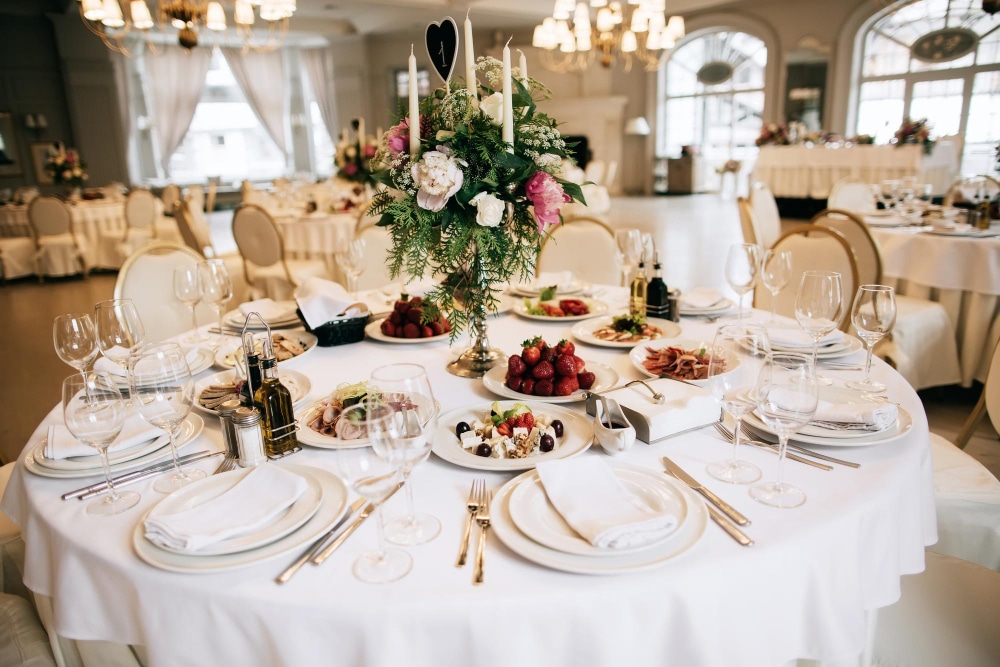
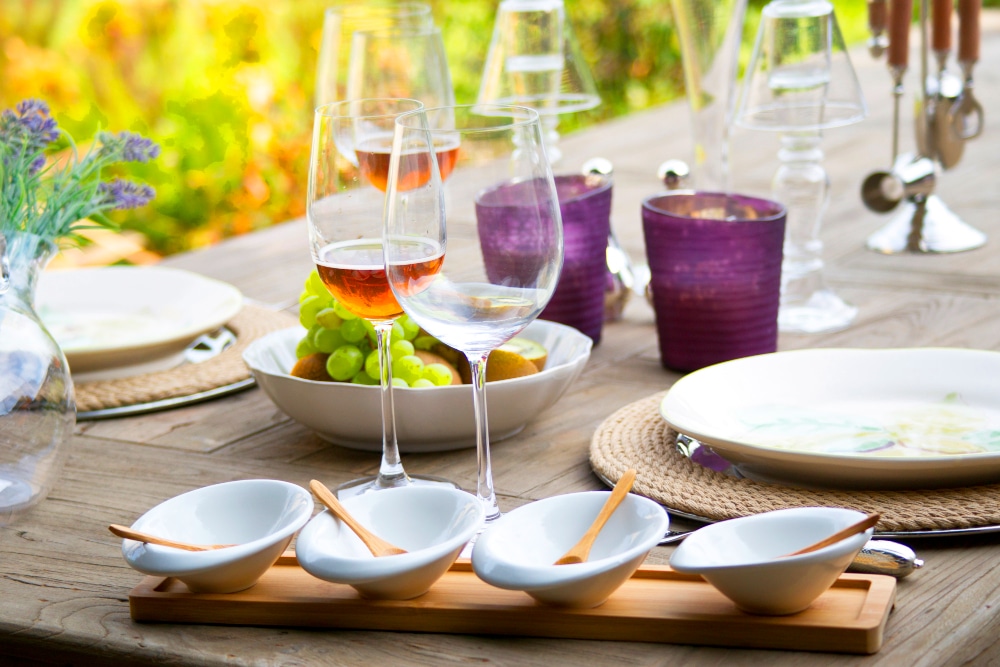
In this infographic Tim Whiting Photography share their guide to choosing your wedding colours.
Here’s a quick summary:
- Get Inspired by Your Setting
- Keep Your Priorities In Mind
- Think Seasonally
- Set the Mood
- Look to What You Love
- Do Your Research
- Consult the Colour Wheel
- Don’t Overthink It
Check out the infographic for more detail.

Choosing your wedding colours is one of the most exciting parts of the planning process. The right colours set the tone for the entire day, from the invitations and flowers to the bridesmaids’ dresses and the table settings.
While it can feel overwhelming, the key to making this decision is approaching it with a combination of inspiration, practicality, and personal preference. Whether you’re aiming for a soft romantic palette or a bold, dramatic statement, these eight steps will guide you in picking the perfect colours for your big day.
Get Inspired by Your Setting
One of the easiest ways to begin narrowing down your wedding colour choices is by looking at your venue and its surroundings. Is your wedding taking place in a grand ballroom, a rustic barn, or on a tropical beach? The setting can naturally suggest a colour palette. For example, a seaside wedding might inspire shades of blue, aqua, and soft coral, while a countryside event could lead you towards earthy tones like sage, burnt orange, or ivory.
Beyond the venue itself, take inspiration from the time of day and what will be happening around you. If you’re getting married at sunset, think about incorporating the warm hues of the sky. For an indoor evening celebration, deep, rich colours like navy or burgundy can create an elegant, intimate atmosphere. The idea here is to choose colours that enhance, rather than clash with, the surroundings.
Keep Your Priorities In Mind
When you start thinking about your wedding colours, consider what’s most important to you as a couple. Do you already have your heart set on a specific bridal bouquet, or is your dream to have your bridesmaids in mismatched dresses? These elements can influence your colour scheme.
For example, if you’re committed to a particular flower—such as sunflowers, peonies, or roses—you can use their colours as a starting point. Alternatively, if you’re passionate about a specific décor style like vintage, boho, or modern minimalist, you might want to choose colours that align with that theme. Prioritising certain elements that matter most to you will help guide your decision-making and keep you focused when faced with endless colour options.
Another important consideration is your attire. The shade of your wedding gown or suit, as well as the outfits of your bridal party, should complement your overall colour palette. Think about how these elements will work together visually. If you envision your bridal party in pastel dresses, bold jewel tones may not be the right choice for the overall scheme.
Think Seasonally
The time of year can have a huge influence on your wedding colours. Seasons come with their own natural palettes, and embracing these can make your wedding feel more harmonious and connected to its time. For example, light, airy colours like blush, lavender, and mint green are perfect for a spring wedding, reflecting the freshness and floral abundance of the season.
In summer, bolder, brighter shades such as coral, turquoise, or fuchsia can add vibrancy and excitement to your celebration. If you’re planning a fall wedding, warm, earthy tones like rust, mustard, and deep emerald are ideal for embracing the changing leaves and rich autumn landscape. Winter weddings, on the other hand, are the perfect time for sophisticated hues like deep plum, navy, and silver, which evoke a sense of cosiness and elegance.
By thinking about the season, you can let nature guide your choices. Whether you go all-in with a traditional seasonal palette or opt for a more subtle nod to the time of year, aligning your colours with the season can create a more cohesive and organic look.
Set the Mood
What type of atmosphere do you want to create on your wedding day? Colour plays a huge role in setting the mood, whether you’re going for something formal and elegant, casual and fun, or romantic and dreamy. Light colours, like soft pinks, whites, and pastels, tend to evoke a romantic and timeless feel, ideal for traditional and classic weddings. These tones work well with floral arrangements, delicate table settings, and gentle lighting.
For a more playful or modern vibe, bold and bright colours—think oranges, yellows, and vibrant reds—can bring a sense of energy and excitement. These colours can turn up the fun factor at a more casual or upbeat wedding. If you’re going for drama, deep jewel tones like emerald green, sapphire blue, or rich burgundy can create a luxurious, moody atmosphere that works beautifully in more formal settings.
Ultimately, your colour choices should help bring your vision to life and reflect the tone you want to set for the day. Think about how different colours make you feel and choose shades that match the emotions you want to evoke in your guests.
Look to What You Love
Your wedding should feel like a true reflection of you and your partner, so look to the things you love when choosing your colours. Is there a particular colour that makes you feel happy or calm? Do you have a favourite painting, a piece of jewellery, or a place that inspires you? These personal references can spark ideas for your wedding palette.
For instance, if you and your partner love hiking and spending time in nature, earthy tones like moss green, sand, and chestnut might be the perfect fit. If you share a love for a specific destination—whether it’s the blue waters of the Mediterranean or the vibrant colours of a city like New Orleans—drawing inspiration from that place can give your wedding a special, personal touch.
Think about your home décor and wardrobe as well. The colours you naturally gravitate towards in everyday life can be a great indicator of what will make you feel comfortable and happy on your wedding day. Whether you’re drawn to neutrals, bright hues, or soft pastels, let your personal preferences guide your choices.
Do Your Research
While choosing wedding colours should ultimately be a personal decision, it’s always helpful to look at what others have done to get inspiration and avoid common pitfalls. Browse through wedding blogs, Pinterest boards, and magazines to see what colours other couples have chosen. You might stumble upon a combination you hadn’t thought of, or see how certain colours play out in a real wedding setting.
Researching the work of wedding planners, florists, and designers can also help you understand how different colour schemes work in practice. Professionals often have a keen eye for what colours complement one another, and what might be overwhelming or clash in a real-world setting. Don’t be afraid to borrow ideas or consult with your vendors, who can offer valuable insights based on their experience.
At the same time, keep an eye on current trends. While you don’t want to choose colours simply because they’re popular, staying aware of trending colour palettes can spark ideas and help you avoid choices that might feel dated in a few years.
Consult the Colour Wheel
The colour wheel is a tried-and-true tool for anyone working with colour. Understanding how different colours relate to one another can help you create a harmonious palette. The basic principle is that colours that are opposite each other on the wheel—like blue and orange, or red and green—are complementary, meaning they create a high contrast but still look balanced together. If you’re looking for a bold, dynamic look, complementary colours can make a strong impact.
On the other hand, analogous colours—those next to each other on the wheel, like blue and green, or pink and purple—offer a more subtle, cohesive feel. These combinations are softer and more harmonious, which is ideal if you want your colours to blend seamlessly rather than stand out.
Another useful concept is to choose a base colour and add one or two accent colours to round out the palette. This approach ensures that your colours don’t overwhelm the décor, and allows for flexibility when incorporating them into different aspects of the wedding, from table linens to floral arrangements.
Don’t Overthink It
With so many options, it’s easy to fall into the trap of overthinking your wedding colours. Remember, your wedding day is about celebrating your love, and the colours are just one part of that celebration. Don’t get too caught up in trying to create a “perfect” palette—at the end of the day, the most important thing is that you choose colours you love and that make you feel happy.
It’s okay if your colour scheme doesn’t fit neatly into a particular trend or isn’t something you’ve seen at other weddings. Trust your instincts, and don’t be afraid to break the rules if it means creating a day that feels truly authentic to you.
Finally, remember that not everything has to match exactly. It’s possible to have variations of your colours throughout the wedding, which can add depth and interest. Allow for some flexibility and creativity—after all, the best weddings are the ones that feel personal and unique.
Conclusion
Choosing your wedding colours is a fun and creative part of the planning process, but it can also feel daunting with so many options. By getting inspired by your surroundings, considering your priorities, thinking about the season, setting the mood, and following your personal preferences, you’ll be able to narrow down the perfect palette.
With some research, a little help from the colour wheel, and the reminder not to overthink it, you’ll have a beautiful set of colours that reflect both your style and the joy of your special day.
Enjoy the process and remember—your wedding is about celebrating your love story, and the colours you choose are just one way to bring that story to life.