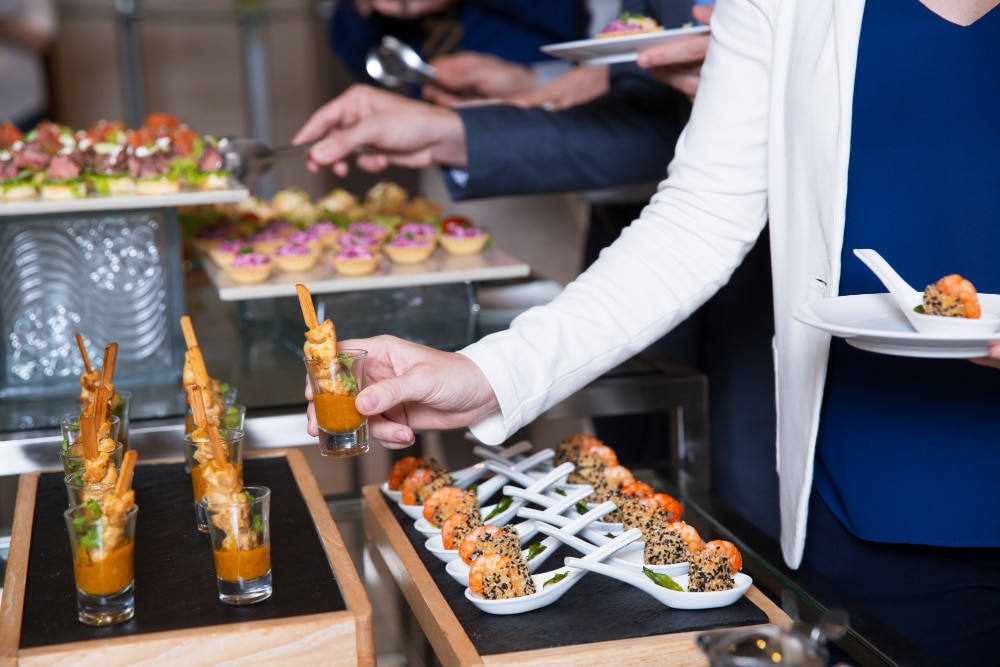
Many modern events no longer take place in a single room. Weddings often move from ceremony spaces to reception areas before finishing with evening celebrations, while conferences may use separate rooms for presentations, networking, exhibitions, and dining. Awards ceremonies, charity galas, corporate events, sporting functions, and private celebrations frequently spread guests across multiple locations throughout the day.
While using several event spaces creates variety and helps maintain guest engagement, it also introduces additional challenges for catering. Food and drinks need to be available in the right place at the right time, staff must coordinate service across different areas, and guests should experience a seamless transition between each stage of the event. Without careful planning, delays, confusion, and inconsistent service can quickly affect the overall experience.
Managing catering across multiple event spaces requires organisation, communication, and experienced event professionals. When every detail is carefully coordinated, guests rarely notice the logistics behind the scenes. Instead, they simply enjoy outstanding hospitality wherever they are throughout the event.
Understand the Event Journey
Before planning the menu, it is important to understand how guests will move through the venue during the day.
Every stage influences the catering plan.
- Map the guest journey
- Identify each event space
- Note transition times
- Understand guest flow
Match Food to Each Location
Different areas often serve different purposes, and the catering should reflect the atmosphere of each space.
Menus should support the occasion.
- Welcome drinks on arrival
- Light refreshments for networking
- Main meal in dining areas
- Evening snacks later in the event
Create a Detailed Catering Schedule
A realistic timetable helps ensure food, drinks, staff, and equipment arrive exactly where they are needed.
Planning prevents delays.
- Confirm service times
- Coordinate food preparation
- Schedule equipment movement
- Build in contingency time
Keep Guests Moving Naturally
Guests should transition smoothly between spaces without creating unnecessary congestion around catering stations.
Flow improves the experience.
- Clear directional signage
- Wide walkways
- Well-positioned serving points
- Logical venue layout
Coordinate With Venue Staff
Successful multi-space events rely on excellent communication between caterers, venue teams, and organisers.
Teamwork supports smooth delivery.
- Share event schedules
- Confirm room access
- Coordinate setup times
- Maintain regular communication
Position Drinks in Every Space
Guests should always have easy access to refreshments regardless of where they are within the venue.
Continuous hospitality matters.
- Welcome drink stations
- Water refill points
- Tea and coffee areas
- Evening bar locations
Allocate Staff Strategically
Staff should be positioned according to guest numbers and the level of service required in each area.
The right people in the right place.
- Dedicated room supervisors
- Flexible support staff
- Clear responsibilities
- Efficient communication
Keep Food Fresh During Transfers
Moving food between event spaces requires careful planning to maintain quality, presentation, and food safety.
Preparation protects standards.
- Temperature-controlled transport
- Covered serving equipment
- Timely delivery
- Safe food handling
Adapt Catering to Different Activities
Networking sessions, formal dinners, presentations, and entertainment each require different catering approaches.
One format does not suit every setting.
- Finger food for networking
- Plated meals for formal dining
- Buffets for flexibility
- Desserts during quieter moments
Use Mobile Catering Stations
Portable serving stations offer flexibility while making it easier to provide refreshments wherever guests are gathering.
Mobility improves service.
- Coffee carts
- Mobile bars
- Dessert stations
- Portable food counters
Avoid Queues Between Spaces
Large numbers of guests arriving simultaneously can create delays if catering is not carefully planned.
Efficient service keeps events flowing.
- Multiple serving stations
- Staggered service times
- Additional staffing
- Well-organised layouts
Consider Outdoor Transitions
Many venues include gardens, terraces, or courtyards that become part of the guest journey.
Outdoor catering requires preparation.
- Weather contingency plans
- Covered serving areas
- Suitable transport equipment
- Seasonal menu choices
Cater for Different Guest Groups
Not every guest attends every part of an event, particularly during weddings and corporate functions.
Tailor hospitality accordingly.
- VIP refreshments
- Speaker hospitality
- Evening guest catering
- Staff meals
Communicate Timing Clearly
Guests should understand when and where food will be served throughout the day.
Clear information reduces confusion.
- Printed itineraries
- Event announcements
- Venue signage
- Helpful event staff
Plan Equipment Logistics
Moving catering equipment efficiently is just as important as moving food.
Organisation supports professionalism.
- Serving tables
- Glassware
- Cutlery
- Display equipment
Build Flexibility Into the Plan
Unexpected changes can happen at any event. Allowing flexibility helps maintain excellent service.
Adaptability reduces stress.
- Schedule contingency time
- Prepare reserve food
- Reallocate staff quickly
- Respond to changing conditions
Work With Experienced Caterers
Professional caterers understand how to coordinate service across multiple locations without compromising quality.
Experience makes complex events feel simple.
- Efficient planning
- Reliable staffing
- Strong logistics
- Consistent food quality
Keep Hospitality Consistent
Guests should experience the same high standard of service regardless of which area they are visiting.
Consistency builds confidence.
- Uniform presentation
- Friendly service
- Fresh food
- Prompt assistance
Focus on the Guest Experience
Behind-the-scenes logistics should never become visible to guests. Excellent organisation creates an effortless experience.
The best planning goes unnoticed.
- Smooth transitions
- Comfortable dining
- Continuous refreshments
- Memorable hospitality
Conclusion
Managing catering across multiple event spaces requires far more than simply serving food in different locations. It involves coordinating people, timings, equipment, logistics, and hospitality so that every stage of the event feels connected and professionally managed. From welcome drinks and networking refreshments to formal dining and evening snacks, each catering element should support the flow of the occasion while maintaining consistent quality throughout.
When organisers work closely with experienced caterers and venue teams, even the most complex multi-space events can feel effortless for guests. Careful planning, clear communication, and attention to detail ensure every transition is smooth, every meal is served at the right time, and every guest enjoys an exceptional experience from arrival to departure.