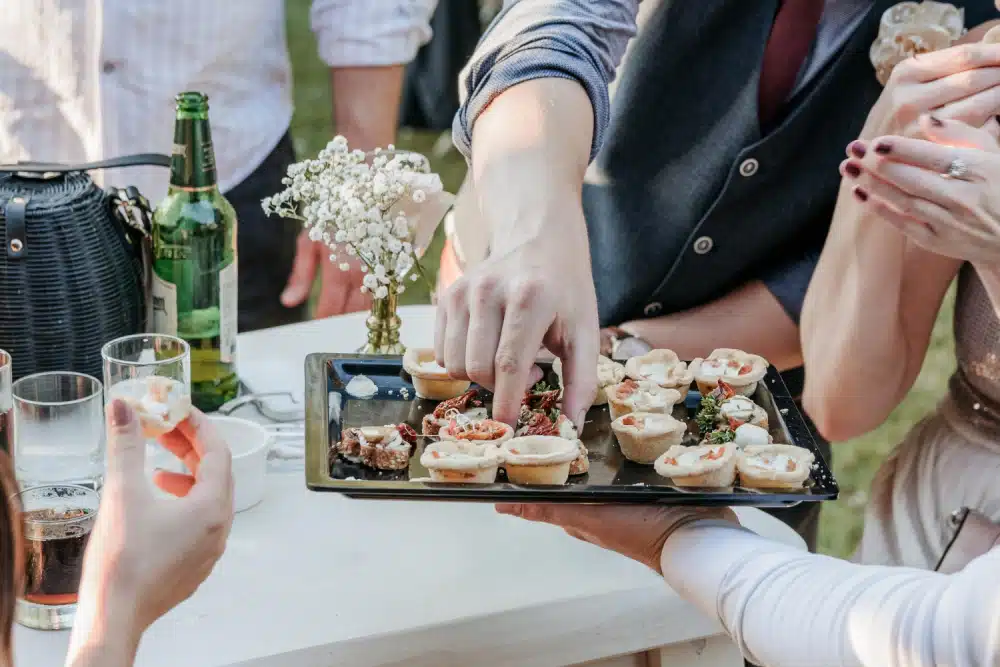
Planning a menu that feels generous without being overwhelming is one of the hardest parts of event catering. Hosts often worry about guests leaving hungry, so they compensate by adding more courses, richer dishes, or larger portions. Ironically, this is how many menus end up feeling heavy, disjointed, or exhausting rather than enjoyable. Balance, not abundance, is what creates a memorable dining experience.
Balancing starters, mains, and desserts is about understanding how people actually eat over time. Appetite, energy, and attention all shift as a meal progresses. When each course is designed in isolation, it is easy to overdo it. When they are designed as a sequence, the meal feels natural, satisfying, and comfortable from first bite to last. This guide explores how to create that balance without sacrificing generosity or impact.
Understanding How Guests Experience a Meal
Guests do not judge a meal by individual dishes alone. They experience it cumulatively. A starter that feels light on its own can become too much when paired with a rich main and heavy dessert. Conversely, a restrained menu can still feel abundant when the pacing and progression are right.
The key is to think in terms of appetite curves rather than course importance. Early dishes should awaken interest, middle courses should satisfy, and final courses should refresh or reward without burden.
- Guests feel fullness gradually, not per course
- Richness compounds across a meal
- Energy levels drop when meals are too heavy
- Balance creates comfort as well as enjoyment
The Role of the Starter: Opening, Not Impressing
Starters are often overdesigned because they feel like the first opportunity to impress. In reality, their job is not to amaze but to prepare. A good starter signals quality and care without demanding too much attention or appetite.
Starters should stimulate interest, not deliver satisfaction. They set the tone and ease guests into the meal rather than competing with what comes next.
- Keep starters lighter than you think necessary
- Avoid overly rich sauces or heavy proteins
- Focus on freshness and clarity of flavour
- Let presentation suggest elegance, not excess
Portion Size Matters More Than Complexity
One of the most effective ways to maintain balance is through portion control rather than dish reduction. A well-sized starter can feel generous while still leaving room for what follows.
Oversized starters are one of the most common reasons guests struggle to finish the meal. This is particularly true at events where guests may already have eaten canapés beforehand.
- Reduce portion size before reducing quality
- Avoid plating that visually inflates volume
- Consider canapé intake when planning starters
- Let restraint create anticipation
Designing Starters That Complement the Main Course
Starters should never compete with the main course. When both courses are equally rich or similar in flavour profile, the meal can feel repetitive or heavy.
Balance comes from contrast and progression. If the main course is rich, the starter should be lighter. If the main is simple, the starter can carry a little more interest.
- Avoid repeating key ingredients across courses
- Balance richness and lightness intentionally
- Use starters to introduce, not duplicate, flavours
- Think ahead rather than dish by dish
The Main Course as the Anchor, Not the Peak
The main course is the heart of the meal, but it should not feel like a mountain to climb. Its role is to satisfy comfortably, not overwhelm.
Well-balanced mains rely on proportion and composition rather than sheer richness. Protein, carbohydrates, and vegetables should work together rather than competing for dominance.
- Prioritise balance over indulgence
- Avoid excessive sauces or heavy accompaniments
- Let vegetables play a meaningful role
- Focus on completeness rather than complexity
Avoiding the Trap of Overloading the Plate
Overloaded plates are visually impressive but physically tiring. Guests may admire them but struggle to finish them, which undermines the experience.
A main course should leave guests content, not full to the point of discomfort. This is especially important at events that continue long after the meal.
- Limit the number of elements on the plate
- Keep textures and flavours distinct
- Avoid combining too many rich components
- Let negative space work in your favour
Considering Energy Levels After the Main Course
After the main course, guests often transition into speeches, dancing, or socialising. If the main course is too heavy, energy dips sharply at this point.
A balanced main course supports what happens next rather than slowing it down.
- Avoid dishes that induce fatigue
- Keep spice and richness controlled
- Consider how long the event continues
- Design mains with movement in mind
Rethinking Desserts as a Refresh, Not a Finale
Desserts are where balance most commonly breaks down. After a full meal, guests often want something that feels rewarding without being heavy. Dense, oversized desserts can feel like an obligation rather than a pleasure.
Dessert should feel like a reset. It should lift the mood and palate, not test endurance.
- Focus on lightness and freshness
- Avoid overly rich or dense textures
- Keep sweetness controlled rather than dominant
- Treat dessert as a transition, not a climax
Choosing the Right Dessert Style for the Meal
Not all meals call for the same type of dessert. A rich main course pairs better with a lighter dessert, while a simpler main can support something more indulgent.
Balance comes from reading the menu as a whole rather than choosing a favourite sweet.
- Match dessert weight to earlier courses
- Avoid doubling down on richness
- Consider fruit, acidity, or temperature contrast
- Let flavour clarity lead, not sugar content
Portion Control Is Critical With Desserts
Dessert portions are often where excess hides. Even light desserts can feel too much if the portion is too large.
Smaller portions allow guests to enjoy dessert without feeling overwhelmed and leave room for late-night food or drinks.
- Reduce portion size without reducing quality
- Focus on elegance rather than abundance
- Avoid towering or oversized presentations
- Remember guests have already eaten well
Spacing and Timing Between Courses
Balance is not only about what is served, but when. Poor pacing can make even a well-designed menu feel heavy.
Allowing enough time between courses helps guests reset their appetite and enjoy each stage.
- Avoid rushing courses back to back
- Build natural pauses into the meal
- Let conversation guide pacing where possible
- Use timing to support digestion and comfort
Accounting for Canapés and Pre-Meal Food
Many event meals fail because the main menu ignores what guests have already eaten. Canapés, welcome snacks, or drinks with food all count towards appetite.
Ignoring these early elements leads to over-serving later.
- Factor canapés into portion planning
- Reduce starter size if pre-meal food is served
- Avoid repeating canapé ingredients in starters
- Treat the menu as cumulative, not isolated
Balancing Familiarity and Interest Across Courses
Overdoing balance does not mean creating a bland menu. Interest is important, but it should be distributed thoughtfully.
Each course does not need to be exciting in the same way. Variation creates balance.
- Vary flavour intensity across courses
- Alternate comfort and refinement
- Avoid stacking complex dishes
- Let subtlety do some of the work
Considering the Event Context
Balance depends heavily on context. A formal seated dinner requires different pacing than a relaxed celebration. Time of day, duration of the event, and guest expectations all matter.
Menus should be designed for the event, not just the table.
- Adjust richness for daytime versus evening
- Consider guest movement after the meal
- Match menu structure to event length
- Avoid rigid formats when flexibility is needed
Using Drinks to Support Balance
Drinks play a quiet but important role in how heavy or light a meal feels. Poor drink pairing can amplify richness or fatigue.
Thoughtful drink choices help maintain balance across courses.
- Use lighter drinks earlier in the meal
- Avoid overly strong pairings with rich dishes
- Introduce freshness through drinks where possible
- Consider non-alcoholic options equally
Balancing Variety Without Overcomplicating
Offering multiple choices per course can feel generous, but it often leads to confusion and imbalance. Too much choice encourages over-ordering and complicates pacing.
A smaller number of well-considered options usually delivers a better experience.
- Limit choices to what can be executed well
- Ensure each option fits the overall balance
- Avoid offering multiple rich options at once
- Trust thoughtful curation over abundance
Common Mistakes That Lead to Overdoing It
Most overbalanced menus fail for predictable reasons. Recognising these patterns makes them easier to avoid.
Awareness is often the simplest solution.
- Designing each course to stand alone
- Overestimating guest appetite
- Confusing generosity with volume
- Ignoring how courses interact
Testing the Menu as a Whole
Menus should always be reviewed as a complete experience, not a collection of dishes. Tasting courses together reveals imbalances that are invisible on paper.
This is where professional guidance is invaluable.
- Taste menus in sequence where possible
- Review portion sizes realistically
- Consider feedback from multiple perspectives
- Adjust based on the full journey
Conclusion
Balancing starters, mains, and desserts without overdoing it is about intention, restraint, and understanding how guests experience food over time. The most successful menus are not the most elaborate, but the most considered. They leave guests satisfied, energised, and comfortable rather than full and fatigued.
True generosity in catering comes from care, not quantity. By designing menus as a progression, controlling portions thoughtfully, and respecting how appetite and energy shift throughout a meal, hosts can create dining experiences that feel effortless and complete. When balance is achieved, every course has room to shine, and the meal becomes something guests remember for how it made them feel, not how much they were served.