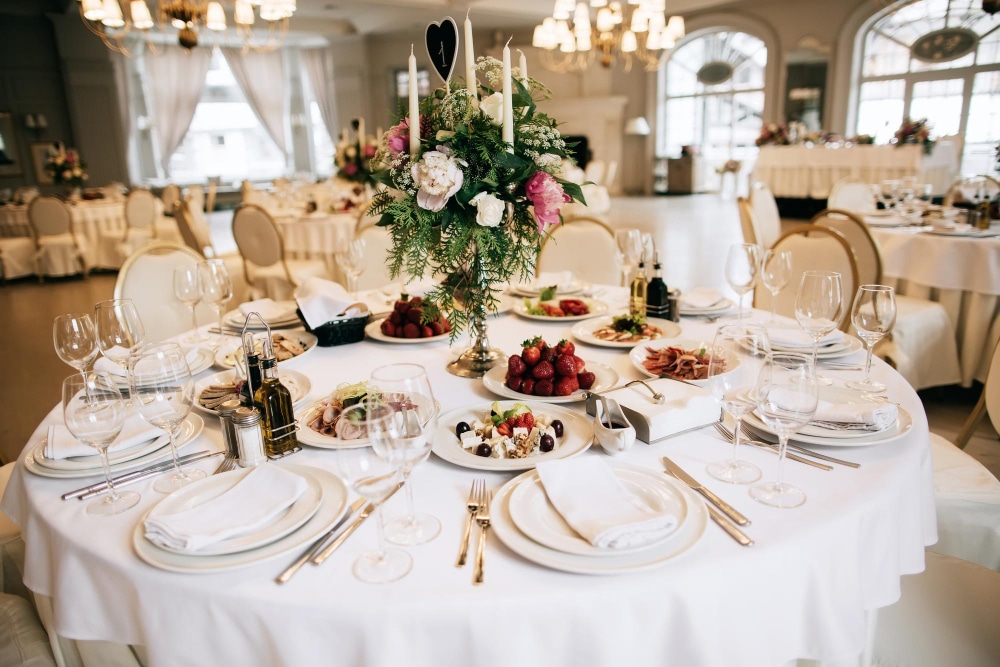
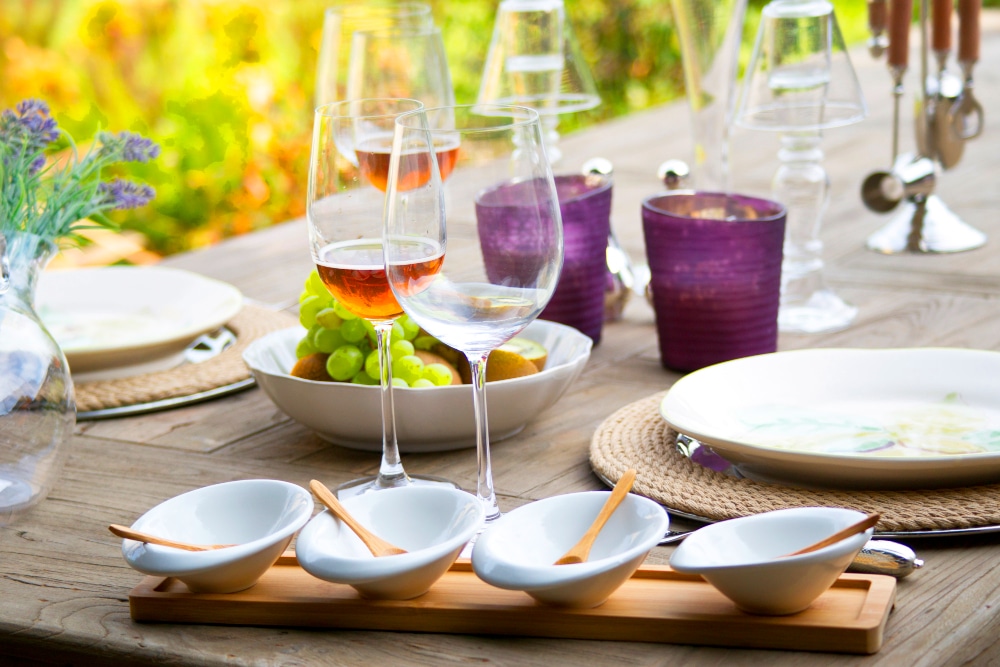
When couples begin planning their wedding menu, it is easy to focus on favourite dishes, popular trends, or foods they have enjoyed at other weddings. While these factors certainly matter, one of the most important considerations is often overlooked: the season.
The time of year influences far more than the weather. It affects ingredient quality, guest expectations, venue atmosphere, drink choices, presentation styles, and even how hungry guests feel. A menu that feels perfect on a warm July afternoon may feel completely out of place during a December wedding reception. The most successful wedding catering feels naturally connected to the day itself, creating a dining experience that complements the surroundings rather than competing with them.
Choosing seasonal food does not mean limiting creativity. In fact, it often creates opportunities to build menus that feel fresher, more memorable, and more appropriate to the occasion. Understanding how each season influences catering can help couples create a wedding meal that feels exactly right from the first course to the final bite.
Why Seasonal Menus Matter
Seasonal menus create harmony between the food, the setting, and the overall wedding experience. Guests may not consciously recognise why a menu feels appropriate, but they will notice when everything fits together naturally.
The season helps shape expectations.
- Seasonal ingredients are often fresher and more flavourful
- Menus feel more connected to the wedding atmosphere
- Guests respond positively to appropriate food choices
- Seasonal planning often improves menu variety
Spring Weddings Call for Freshness and Renewal
Spring weddings often represent new beginnings, making them perfectly suited to lighter, fresher menu styles. As the weather begins to improve, guests generally appreciate meals that feel vibrant and uplifting.
The food should reflect the energy of the season.
- Focus on fresh vegetables and herbs
- Use lighter sauces and cooking styles
- Incorporate colourful seasonal produce
- Create menus that feel bright and refreshing
Spring Starters That Set the Tone
The opening course is often the first opportunity to establish a seasonal theme. Spring starters should feel elegant without being heavy.
Fresh ingredients take centre stage.
- Seasonal soups can work beautifully
- Fresh salads provide colour and texture
- Light seafood options often suit the season
- Herb-based flavours add freshness
Summer Weddings Favour Light and Relaxed Dining
Summer weddings often involve outdoor spaces, longer evenings, and warmer temperatures. Guests generally prefer food that feels refreshing rather than overly rich.
The menu should complement the weather.
- Choose lighter cooking techniques
- Focus on seasonal fruits and vegetables
- Avoid overly heavy dishes
- Create meals that suit outdoor celebrations
Summer Ingredients Bring Colour and Flavour
Summer provides some of the most visually appealing ingredients available throughout the year. These can help create menus that feel vibrant and memorable.
The season offers exceptional variety.
- Berries add freshness and colour
- Tomatoes reach peak flavour
- Fresh herbs enhance presentation
- Seasonal fruits create attractive desserts
Autumn Menus Focus on Comfort and Richness
Autumn weddings often have a warm, cosy atmosphere that lends itself beautifully to richer flavours and more substantial dishes.
Guests typically welcome heartier food.
- Incorporate warming seasonal ingredients
- Focus on depth of flavour
- Use richer textures and preparations
- Reflect the changing season through presentation
Autumn Ingredients Create Character
Many of the ingredients associated with autumn bring warmth and familiarity to wedding menus. They help create meals that feel comforting without becoming overly heavy.
Seasonal produce shines during this time of year.
- Root vegetables provide substance
- Orchard fruits add sweetness and balance
- Rich sauces complement cooler weather
- Earthy flavours create depth
Winter Weddings Invite Indulgence
Winter weddings often feel luxurious, intimate, and festive. Guests generally expect food that provides warmth and comfort during colder weather.
This is the season for more indulgent menus.
- Choose warming and satisfying dishes
- Focus on rich flavours and textures
- Embrace seasonal traditions where appropriate
- Create a sense of occasion through the menu
Winter Catering Should Feel Generous
Cold weather naturally encourages guests to enjoy more substantial meals. Winter menus can therefore be more robust without feeling excessive.
Comfort becomes particularly important.
- Offer hearty main courses
- Use warming accompaniments
- Include rich dessert options
- Create a memorable dining experience
Seasonal Drinks Matter Too
Food and drink should work together to create a cohesive wedding experience. Seasonal beverages help reinforce the atmosphere created by the menu.
Refreshments should match the occasion.
- Serve lighter drinks during summer months
- Introduce warming options in winter
- Use seasonal ingredients in cocktails
- Consider alcohol-free alternatives equally carefully
Work With Seasonal Availability Rather Than Against It
One of the biggest advantages of seasonal planning is that it allows caterers to work with ingredients when they are naturally at their best.
Freshness often improves quality.
- Seasonal ingredients typically offer better flavour
- Availability is often more reliable
- Presentation benefits from natural colour and freshness
- Menus feel more authentic and relevant
Consider the Venue and Setting
The venue itself should influence menu decisions. Seasonal food often feels most successful when it complements the surroundings.
Everything should feel connected.
- Outdoor venues often suit lighter menus
- Historic venues may inspire traditional dishes
- Rustic settings pair well with seasonal comfort foods
- Formal venues support refined seasonal dining
Guest Comfort Should Always Be a Priority
While seasonal inspiration is valuable, guest enjoyment remains the ultimate goal. The menu should support comfort throughout the day.
Practicality matters.
- Consider the expected weather conditions
- Think about guest demographics
- Balance creativity with familiarity
- Focus on enjoyment rather than trends
Use Seasonal Desserts to Complete the Experience
Desserts provide an excellent opportunity to celebrate the season while ending the meal on a memorable note.
Sweet courses should feel appropriate to the time of year.
- Fresh fruit desserts suit warmer months
- Richer puddings work well in winter
- Seasonal flavours create variety
- Presentation can reinforce the wedding theme
Seasonal Menus Create More Memorable Weddings
Guests attend many weddings throughout their lives, but they often remember the occasions where every element feels connected and thoughtfully planned.
Food plays a major role in that impression.
- Seasonal menus feel authentic
- Guests appreciate thoughtful details
- The dining experience becomes more memorable
- Catering enhances the overall atmosphere
Conclusion
Choosing a seasonal wedding menu is not about following rules or restricting options. It is about creating a dining experience that feels natural, appropriate, and enjoyable for the specific day you are celebrating. When food reflects the season, it often feels fresher, more memorable, and more connected to the atmosphere of the wedding itself.
Whether you are planning a bright spring celebration, a relaxed summer reception, a cosy autumn gathering, or a luxurious winter wedding, seasonal catering provides an opportunity to create a menu that feels perfectly suited to the occasion. By embracing the ingredients, flavours, and expectations associated with the time of year, couples can create a wedding meal that guests remember long after the celebrations have ended.