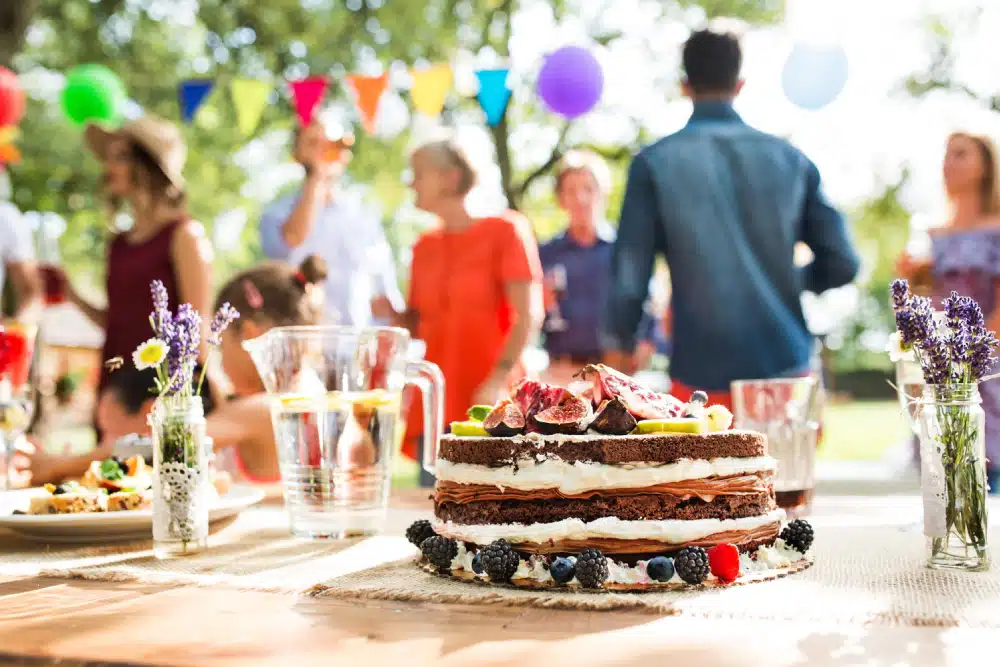
In this infographic we share a British guide to table etiquette.
Here’s a quick summary:
- The knife is held in the right hand, the fork in the left – this is non-negotiable
- A spoon should be held with your right hand. You should eat off the side of the spoon too, rather than at a right angle to your mouth
- Keep your elbows off the table
- Look people in the eye when saying hello
- Keep your phone out of sight at the dinner table and away from the table. Don’t text while speaking to people
- Your wine glass should never be filled more than halfway to allow the wine space to breathe when you swirl it (which, of course, you should be doing)
- If there are two wine glasses before you, choose the smaller for white wine. Red wine glasses have longer stems so the heat from your hand warms up the wine
- When ordering at a restaurant, you should say “Please may I have…” rather than “Can I have…”
- Use the side plate on your left for bread rolls
- If you are eating from a bowl, never lift the bowl up from the table
- Wait until everyone is served before you start eating
- Don’t talk with your mouth full and try not to eat too noisily
- Place your cutlery in the middle of your plate to signal you have finished eating
Check out the post below for more information.

Dining etiquette has long been a key part of British culture, with a rich history of customs and traditions that date back centuries. Whether you’re attending a formal dinner, visiting a restaurant, or simply enjoying a meal at home, understanding proper table manners can help you navigate any dining situation with grace and confidence.
In this guide, we will explore the essential rules of British table etiquette, covering everything from how to use cutlery correctly to the dos and don’ts of dining conversation.
The Importance of Table Manners in British Culture
Good table manners are more than just a set of arbitrary rules—they reflect respect for those around you, demonstrate consideration for your hosts, and contribute to a pleasant dining experience for everyone involved. In Britain, where politeness and social graces are highly valued, following proper table etiquette is an important aspect of social interaction.
Setting the Table: Understanding Place Settings
Before we dive into dining etiquette, it’s helpful to understand the basic elements of a formal place setting.
- Plates: The main plate is positioned in the centre, with a smaller side plate to the left for bread rolls.
- Cutlery: Forks go on the left, knives and spoons on the right. Work from the outside in as you progress through courses.
- Glassware: The largest glass is usually for water, with smaller glasses for wine. The white wine glass is typically smaller than the red wine glass, as red wine benefits from more aeration.
How to Use Cutlery Correctly
One of the most important aspects of British table etiquette is knowing how to use cutlery correctly. Unlike some cultures where switching hands is acceptable, in Britain, the knife is always held in the right hand and the fork in the left. This is non-negotiable in formal dining settings.
- The fork should be used with the tines facing down, rather than scooping food up as you would with a spoon.
- A spoon should be used with the right hand, and food should be eaten off the side of the spoon rather than straight on.
- Rest your cutlery on the plate when pausing between bites, rather than holding them in the air.
- When you have finished eating, place your cutlery together in the centre of your plate—this signals to the server that you have finished.
Seating and Posture at the Table
How you sit at the table is just as important as how you eat. Slouching, leaning on the table, or resting your elbows while eating are all considered poor manners in British dining culture. Instead:
- Sit upright with a straight back.
- Keep your elbows off the table while eating, though resting them lightly on the table when conversing between courses is acceptable.
- Keep your hands above the table but not on your lap.
Napkin Etiquette
A napkin is provided for a reason—use it correctly!
- Place your napkin on your lap as soon as you sit down.
- Use it to dab your mouth discreetly, rather than wiping vigorously.
- If you need to leave the table temporarily, place your napkin on your chair rather than on the table.
- At the end of the meal, fold your napkin loosely and place it to the left of your plate.
Drinking Etiquette
Whether you’re enjoying a glass of wine at a formal dinner or a cup of tea at a casual gathering, drinking etiquette plays a key role in British dining customs.
Wine and Alcoholic Beverages
- Hold wine glasses by the stem, not the bowl, to prevent warming the wine.
- Never fill your wine glass more than halfway—this allows the wine to breathe.
- If you’re serving wine, pour for others before yourself.
- Wait for the host to propose a toast before drinking at a formal event.
Tea and Coffee
- Hold the handle of the teacup delicately between your thumb and forefinger.
- Stir tea gently back and forth rather than in a circular motion.
- Avoid slurping or making loud sipping noises.
Bread and Butter Etiquette
If bread is provided, it is usually served on a side plate to the left of your main plate. The correct way to eat bread is:
- Tear off small pieces rather than biting directly into a whole roll.
- Use the butter knife provided to spread butter on each piece individually.
- Avoid using your dinner knife to spread butter, as this is considered poor etiquette.
How to Order at a Restaurant
When dining out, it’s important to observe proper etiquette when ordering food and interacting with restaurant staff.
- Use polite language—for example, say “Please may I have…” instead of “Can I get…”.
- Make eye contact with the server when ordering.
- Avoid calling out loudly for service—catch the waiter’s eye instead.
- Say “Thank you” whenever a dish is served to you.
Conversational Etiquette at the Table
Engaging in polite conversation is a crucial part of British dining etiquette. A meal is a social occasion, and good manners dictate that conversation should be pleasant and inclusive.
- Make eye contact when greeting others at the table.
- Avoid controversial or sensitive topics such as politics or money.
- Listen actively and engage with others rather than dominating the conversation.
- Avoid speaking with your mouth full or gesturing with cutlery.
Mobile Phone Etiquette
In today’s digital world, it’s tempting to check your phone at the dinner table, but this is considered rude in British dining culture.
- Keep your phone out of sight and on silent mode.
- Avoid texting, scrolling, or taking calls during the meal.
- If you must check your phone, excuse yourself from the table.
Eating Soup and Other Tricky Foods
Certain foods require a little more finesse when it comes to etiquette.
- Soup: Spoon the soup away from you rather than towards you, and sip from the side of the spoon rather than putting it directly into your mouth.
- Spaghetti and Pasta: Use a fork to twirl the pasta against the side of the plate rather than cutting it with a knife.
- Fish: Use a fish knife if provided, and remove bones discreetly with your fork rather than fingers.
Waiting Until Everyone is Served
A key aspect of British dining etiquette is waiting until everyone at the table has been served before starting your meal. This demonstrates good manners and consideration for others. The only exception is if your host insists that you begin eating while the food is still hot.
Chewing and Eating Etiquette
Eating in a polite and refined manner is essential.
- Chew with your mouth closed and avoid making loud noises.
- Take small bites to prevent overfilling your mouth.
- If you need to remove something from your mouth, such as a bone or olive pit, do so discreetly using your napkin.
Finishing the Meal and Signalling You Have Finished
When you have finished eating, it is important to signal this appropriately.
- Place your cutlery together in the centre of your plate with the fork tines facing up and the knife blade facing inward.
- Do not push your plate away or stack dishes unless instructed by the host.
Thanking Your Host
If you are dining at someone’s home, it is customary to thank your host for the meal. A simple “Thank you for a lovely meal” is sufficient, but a handwritten thank-you note or message the following day is an especially polite gesture.
Final Thoughts
Table etiquette in Britain is all about demonstrating respect, consideration, and good manners. By following these guidelines, you can ensure that you conduct yourself with grace and confidence at any dining occasion, whether it’s a casual meal with friends or a formal dinner with esteemed guests.
Mastering these customs not only enhances your dining experience but also leaves a lasting impression of refinement and politeness—qualities that are always valued in British society.